The Psychology Behind Collective Action and Mobilization
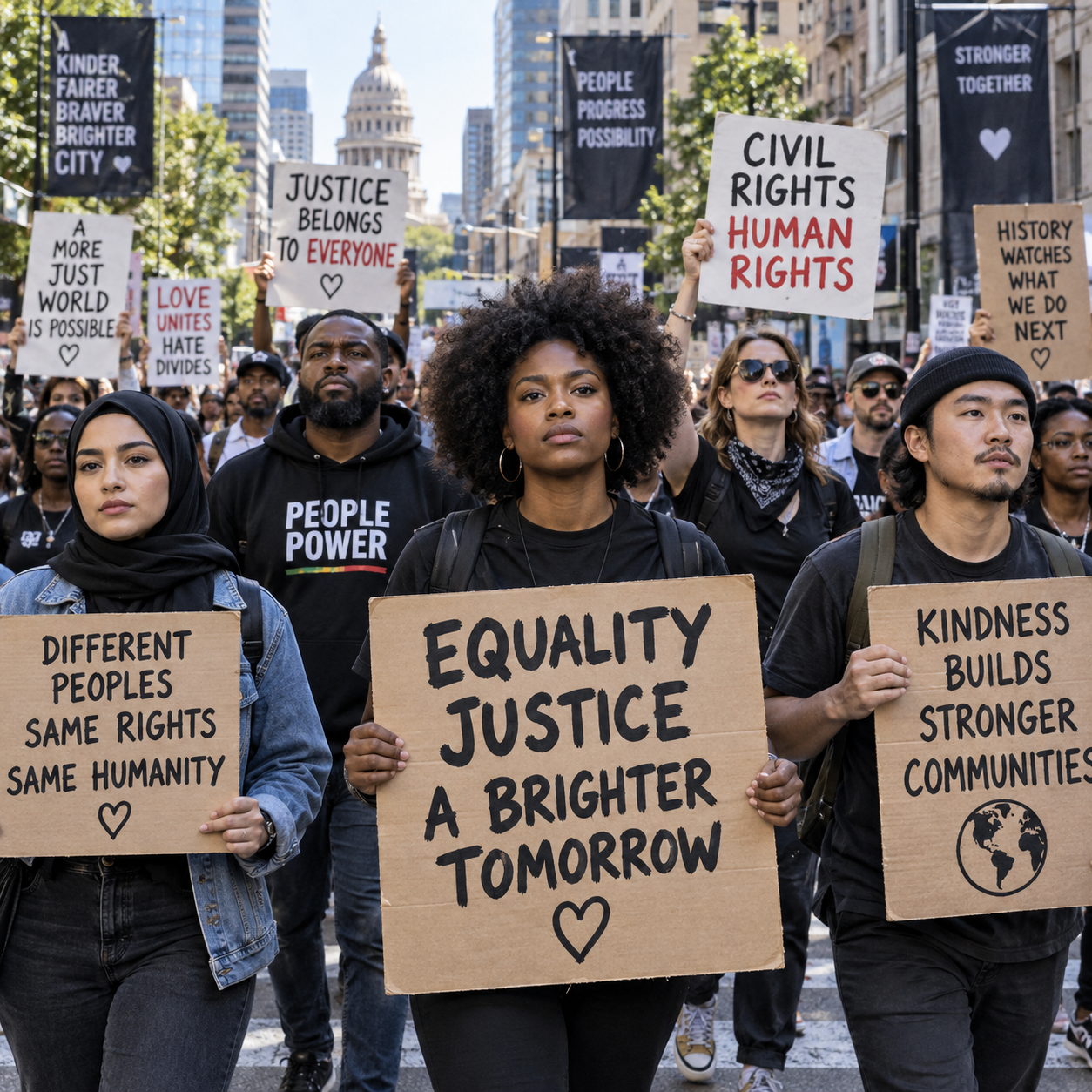
Collective action begins when people recognize that a personal concern reflects a wider problem and that coordinated effort may improve their situation. In protests and civil rights movements, participation grows through the interaction of shared grievances, social identity, moral emotions, relationships, organization, and belief in the possibility of change.
People mobilize in many ways. They may attend a demonstration, join a community organization, provide mutual aid, fundraise, contact elected officials, share public information, or support a campaign online. Psychology helps explain these choices, but no single theory explains every movement. Individual motivation always operates within history, institutions, unequal power, and political context.
What Drives People to Act Collectively?
Collective action develops when people interpret a problem as shared, unjust, and changeable through coordinated effort. A private frustration becomes a political concern when individuals connect their experiences to broader patterns and identify others facing the same condition.
This process often starts with shared grievances. A worker may experience unsafe conditions, a family may encounter discriminatory housing practices, or a community may face unequal access to voting, education, or public services. The experience becomes more likely to generate mobilization when people discuss it with others and recognize that it is not an isolated failure.
The concept of relative deprivation adds another layer. People can feel deprived when they compare their treatment, opportunities, or rights with those available to another group or promised by a society’s stated values. Absolute hardship matters, but perceived unfair comparison often gives a grievance its political force.
Participation also depends on costs and opportunities. Time, safety, employment, family responsibilities, transportation, and fear of retaliation all affect whether someone can take part. Collective action therefore includes low-risk and behind-the-scenes roles as well as public protest. A movement that values only visible participation may overlook the people sustaining it through care, money, research, translation, and logistics.
Shared Identity and the Formation of “Us”
Social identity encourages collective action by turning separate individuals into a meaningful “we” with shared interests, values, and responsibilities. Belonging can make participation feel personally relevant and can strengthen group solidarity during difficult periods.
Social identity is the part of a person’s self-understanding shaped by group memberships. These may involve race, ethnicity, gender, disability, religion, class, neighborhood, profession, nationality, or a shared commitment to human rights. In civil rights movements, identity can provide both a language for naming injustice and a foundation for mutual support.
A strong identity does not require every participant to have the same background. Broad coalitions often form around a common principle, such as equal protection, voting rights, racial justice, or opposition to political repression. The challenge is building an inclusive identity that does not erase differences within the group.
Group solidarity grows when people trust that others will contribute, protect one another’s dignity, and remain engaged beyond a single event. Rituals, songs, symbols, shared stories, community meetings, and public acts of remembrance can reinforce that bond. They create emotional continuity between past struggles and present campaigns.
Identity can also produce risks. A rigid boundary between insiders and outsiders may encourage stereotyping, exclusion, or polarization. Healthy movements make room for disagreement and ask whose experiences are being centered. Inclusion is not a decorative value; it affects whether people believe the movement represents them.
Injustice, Moral Outrage, and Emotional Motivation
Perceived injustice motivates mobilization when moral outrage combines with empathy, hope, or a sense of responsibility. Anger can signal that a boundary has been violated, while hope helps people imagine a different social order and accept the effort required to pursue it.
Moral outrage is more than personal irritation. It involves judging a situation as wrong and believing that someone, an institution, or a system should be held accountable. Images of violence, discriminatory laws, or unequal treatment may intensify this response, especially when trusted witnesses and community members provide context.
Emotions do not all push people in the same direction. Anger can energize public action, but fear may lead someone to remain home or choose a less visible role. Grief can produce withdrawal, remembrance, or renewed commitment. Empathy can expand a campaign beyond those directly affected, while hope can sustain participation after an initial victory fails to appear.
Public narratives help organize these emotions. A story that frames an incident as an isolated tragedy may produce sympathy without mobilization. A story that connects the incident to a repeated pattern, identifies responsible structures, and presents practical avenues for action is more likely to support collective engagement.
There is a trade-off. Emotional intensity can draw attention quickly, yet constant outrage can exhaust participants and encourage impulsive reactions. Durable civil rights movements pair moral urgency with reflection, care, accurate information, and clear opportunities to contribute.
Collective Efficacy: Believing Change Is Possible
Collective efficacy is the shared belief that a group can coordinate effectively and produce meaningful change. People are more likely to participate when they see evidence that their effort matters, their allies are organized, and institutions can be pressured or transformed.
Collective efficacy differs from individual confidence. A person may feel capable of attending a protest but still doubt that thousands of people can influence policy. Conversely, a group may have limited resources yet develop strong collective efficacy through past successes, disciplined organization, and visible mutual support.
Several signals shape this belief:
- Past experience: Previous wins, even modest ones, show that coordinated action can alter decisions or public debate.
- Organizational capacity: Reliable schedules, roles, communication channels, fundraising, and safeguarding make participation feel manageable.
- Visible support: Public endorsements, turnout, solidarity from neighboring communities, and institutional allies can reduce the sense of isolation.
- Credible goals: Specific demands help people connect effort with an outcome and assess progress.
Perceived effectiveness does not mean expecting immediate victory. Movements often work across different time horizons: stopping a policy, changing a law, shifting public norms, documenting abuses, or building long-term community power. Honest communication about setbacks can protect trust better than exaggerated claims of success.
How Social Networks and Communication Mobilize Participants
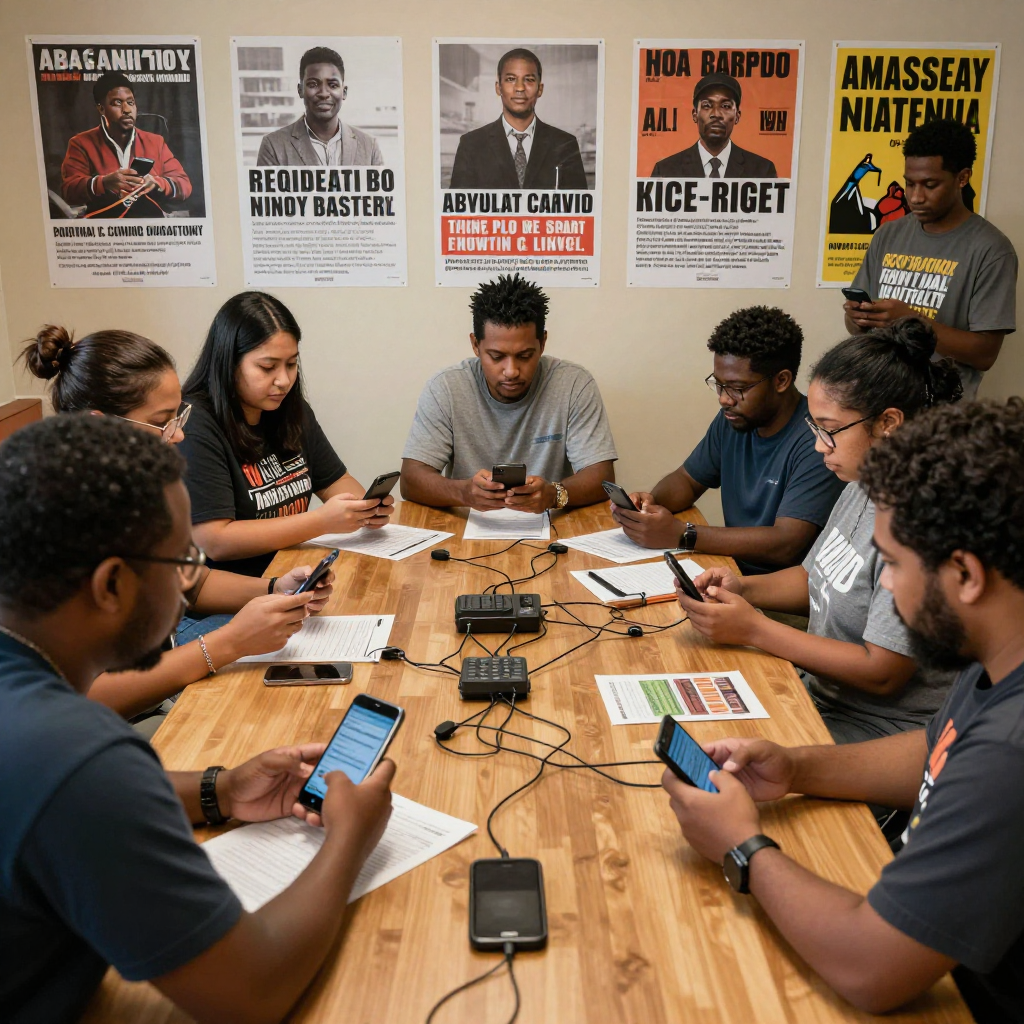
Social networks mobilize people by carrying information, trust, invitations, emotional support, and practical resources through existing relationships. Friends, relatives, faith communities, unions, student groups, neighborhood associations, and advocacy organizations often provide the first bridge between awareness and participation.
Personal contact matters because it lowers uncertainty. An invitation from someone trusted can answer questions about timing, accessibility, safety, childcare, or the purpose of an event. Networks also reveal social expectations: when respected peers participate, collective action may appear more legitimate and achievable.
Community organizations convert concern into capacity. They can provide meeting spaces, legal information, translation, transportation, training, fundraising, and connections to journalists or elected representatives. These functions are especially important for marginalized communities, which may face higher risks and fewer institutional resources.
Digital communication expands reach and speed. Social media can circulate testimony, explain demands, coordinate public events, and connect geographically separated groups. Yet online visibility is not the same as durable participation. Algorithms reward emotional content, rumors can spread quickly, and digital campaigns may exclude people with limited internet access or create the impression of support without organizational depth.
A resilient communication system uses several channels: direct relationships, trusted local institutions, public narratives, accessible online information, and feedback from participants. The goal is not maximum volume. It is reliable connection.
Leadership, Strategy, and Sustaining a Movement
Leadership sustains collective action by creating direction, accountability, trust, and adaptable ways for people to contribute. Effective leadership may be formal or distributed, but it must connect shared values with practical organization.
Leaders and organizers help a movement answer four questions: What is wrong? What change is being demanded? Who can influence that change? What can participants do now? Clear answers reduce confusion without pretending that complex struggles have simple solutions.
Trust is central. Participants need confidence that decisions are transparent, resources are handled responsibly, and vulnerable members will not be treated as expendable. Accountability structures, accessible meetings, shared decision-making, and clear conduct standards can strengthen that confidence.
Strategy also requires adaptation. A campaign may combine demonstrations with litigation, voter education, workplace organizing, boycotts, public testimony, mutual aid, and negotiations. Different tactics reach different audiences and carry different costs. Choosing public visibility for attention may increase exposure to repression; choosing quieter organizing may build capacity while receiving less media coverage.
Movements remain healthier when they distribute knowledge and responsibility. If every decision depends on one charismatic figure, a leadership crisis can become an organizational crisis. Developing new organizers, respecting specialized expertise, and creating meaningful roles for people with different capacities supports continuity.
Why Collective Action Succeeds or Fades
Collective action gains momentum when identity, organization, political opportunity, and perceived effectiveness reinforce one another; it fades when participation becomes costly, confusing, unsafe, or disconnected from results. Success is rarely caused by enthusiasm alone.
Political opportunity refers to openings in the wider environment, such as divided elites, elections, court decisions, policy debates, media attention, or institutions willing to respond. These openings can make action more consequential, although they can also create pressure to compromise before a movement has achieved its core goals.
Common barriers include:
- Repression: Surveillance, arrests, intimidation, legal restrictions, or violence can raise the personal cost of participation and fracture trust.
- Internal division: Conflicts over goals, tactics, identity, leadership, or resource distribution can consume energy and weaken solidarity.
- Burnout: Continuous crisis, unpaid labor, exposure to trauma, and inadequate rest can reduce participation even when commitment remains high.
- Unclear demands: Broad anger without identifiable goals makes it difficult to measure progress or negotiate responsibly.
- Declining public support: Poor communication, strategic mistakes, or association with harmful behavior can narrow a coalition’s reach.
Resilience comes from realistic planning, leadership accountability, participant care, historical memory, and multiple paths to involvement. Movements also benefit from evaluating what worked, listening to affected communities, and distinguishing a temporary decline in public visibility from the end of a campaign.
The central lesson is that mobilization becomes durable when shared identity and moral purpose are supported by trust, organization, inclusive networks, and a credible belief in change. Psychology explains why people care and commit; communities and institutions determine how that commitment becomes lasting social transformation.
Frequently Asked Questions
What is collective action in psychology?
Collective action in psychology is coordinated behavior by people who pursue a shared goal, especially when they believe a common problem requires group-level change. It can include protests, advocacy, mutual aid, fundraising, organizing, and online communication.
Why do people join protests and social movements?
People join because they recognize shared grievances, experience moral outrage, identify with an affected group, trust other participants, and believe their involvement may contribute to change. Practical access and personal relationships also influence participation.
How does social identity influence mobilization?
Social identity creates a sense of belonging and shared responsibility. It helps people interpret personal experiences as part of a broader pattern and encourages solidarity, although rigid identities can also produce exclusion or internal conflict.
What is collective efficacy?
Collective efficacy is the belief that a group can coordinate its efforts and achieve a meaningful result. Past successes, clear goals, capable organizations, visible support, and trustworthy leadership can strengthen it.
Why do some protest movements lose momentum?
Movements may lose momentum because of repression, burnout, internal division, unclear demands, declining public support, or a lack of visible progress. Strong networks, inclusive leadership, participant care, and adaptable strategies can improve resilience.