



How Governments Respond to Mass Protests: Strategies and Consequences

Mass protests test a government’s ability to protect public safety while respecting civil rights. The response may include public communication, permits, negotiation, protest policing, legal restrictions, or emergency powers. Each choice can influence whether a demonstration de-escalates, expands, or turns into a wider political crisis.
There is no single model of government response. Peaceful protest, civil disobedience, isolated violence, and state overreach require different legal and political judgments. The central question is whether authorities use necessary and proportionate measures while protecting freedom of assembly, freedom of expression, due process, and accountability.
Why Governments Respond to Mass Protests in Different Ways
Governments respond differently to mass protests because leaders assess the demands, scale, perceived threat, political system, and level of public legitimacy in different ways. These assessments shape whether officials choose engagement, restriction, or coercion.
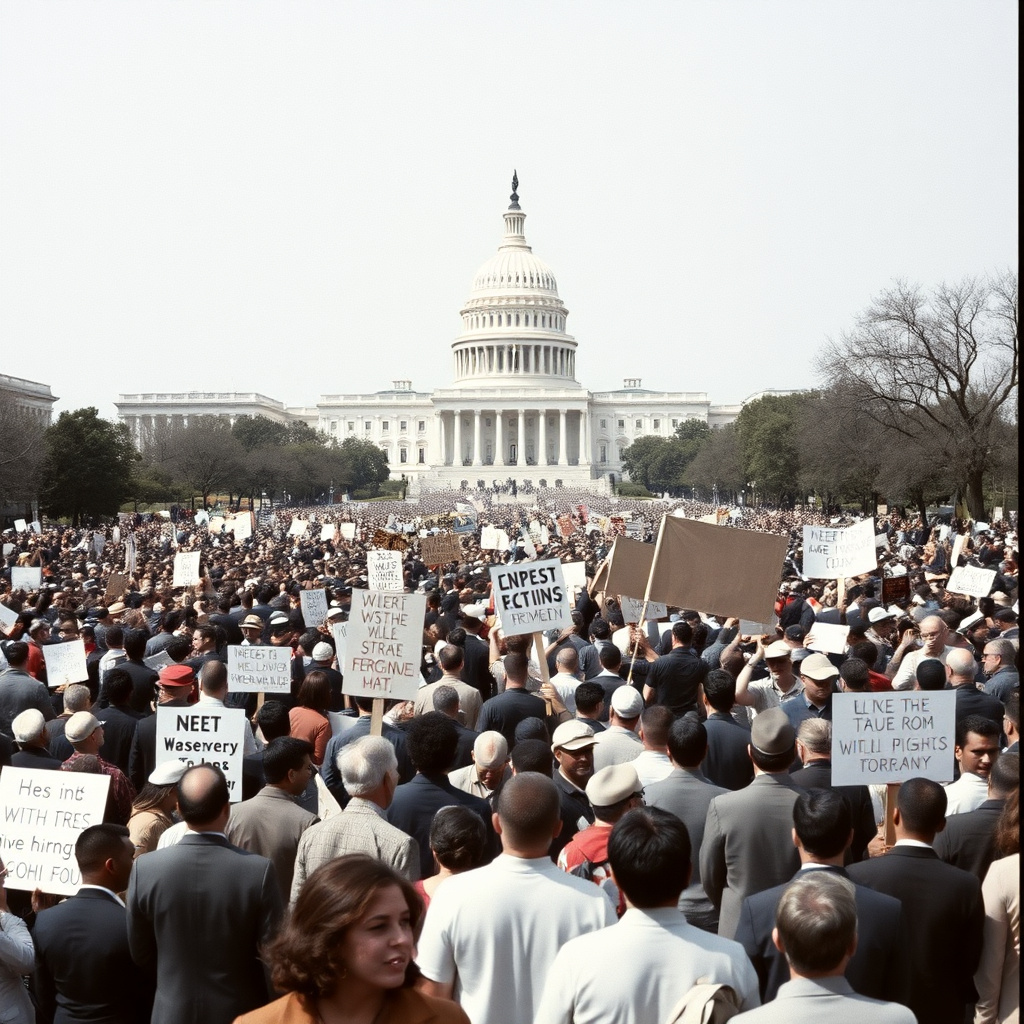
A protest over a specific policy may invite negotiation, while a movement demanding regime change can be viewed as an existential threat. Size also matters. A small demonstration may be managed through ordinary policing, whereas a national mobilization can disrupt transport, business, public services, or government operations.
Political institutions influence the available options. Democratic systems usually operate under constitutional protections, judicial review, legislative oversight, and independent media scrutiny, although these safeguards may weaken during a crisis. More authoritarian systems may rely more heavily on surveillance, censorship, detention, or restrictions on assembly.
Perception matters as much as actual risk. Authorities may distinguish between peaceful protesters and people committing violence, or they may portray an entire movement as dangerous. That framing affects public opinion and can determine whether protest policing remains limited or becomes a tool of state repression.
Finally, legitimacy shapes the cost of each decision. A government with strong public trust may absorb criticism while opening dialogue. A government facing corruption allegations or declining confidence may interpret mass protests as a direct challenge and respond defensively, even when restraint would better protect its position.
Common Government Strategies for Managing Protests
Common government strategies include communication, permits, negotiation, policing, legal restrictions, surveillance, and emergency measures. These tools are not equally legitimate: their acceptability depends on legality, necessity, proportionality, and their effect on peaceful participation.
Communication and public messaging
Officials often begin with speeches, press conferences, social media statements, or public information campaigns. Clear communication can explain safety rules, acknowledge legitimate grievances, and reduce rumors. Dismissive language, blanket accusations, or threats can harden opposition and make compromise more difficult.
Permits and administrative controls
Permit systems can coordinate routes, protect emergency access, and reduce clashes between opposing groups. They become problematic when authorities apply them selectively, impose impossible conditions, or use administrative delays to prevent lawful assembly. Restrictions should be publicly explained and open to independent review.
Policing and crowd control
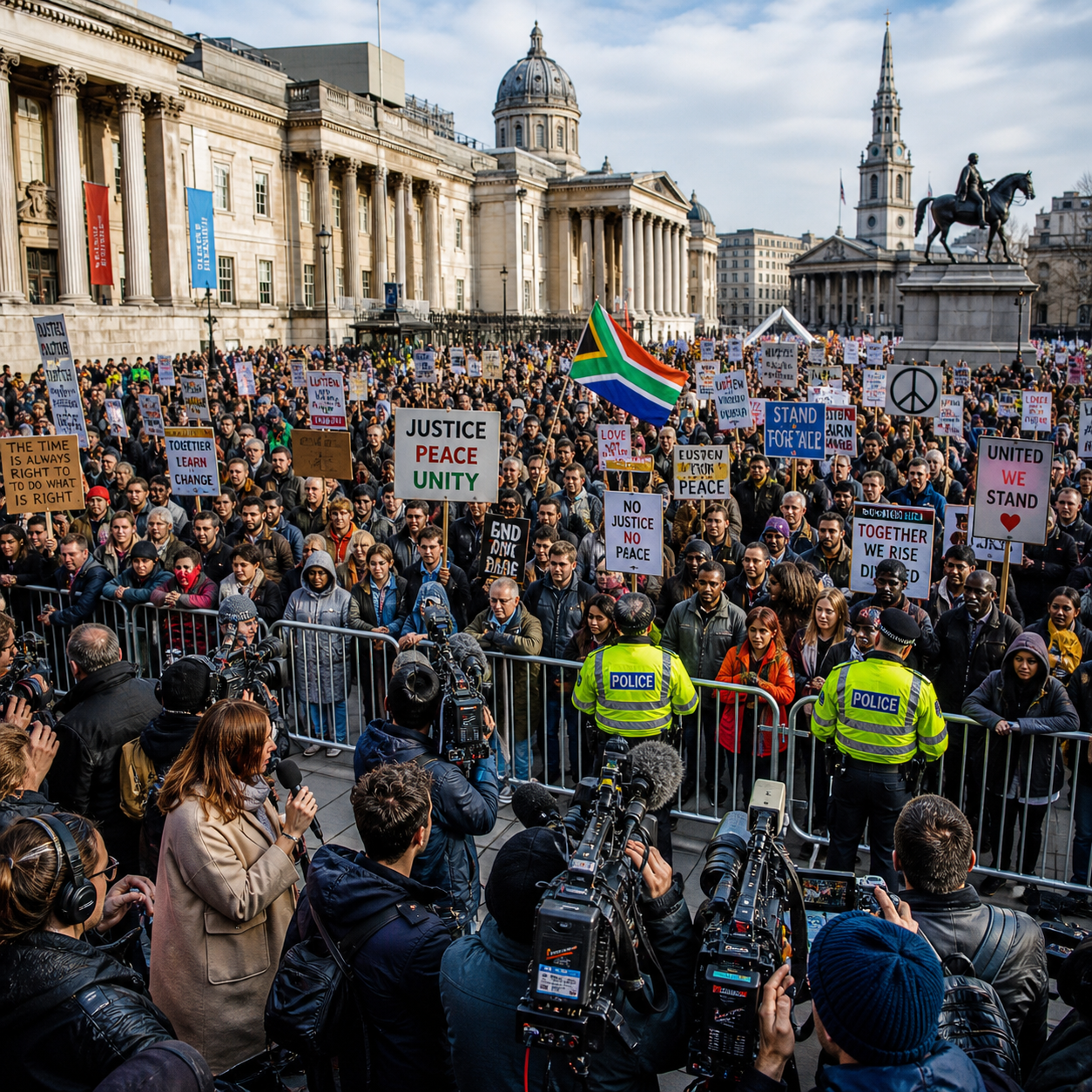
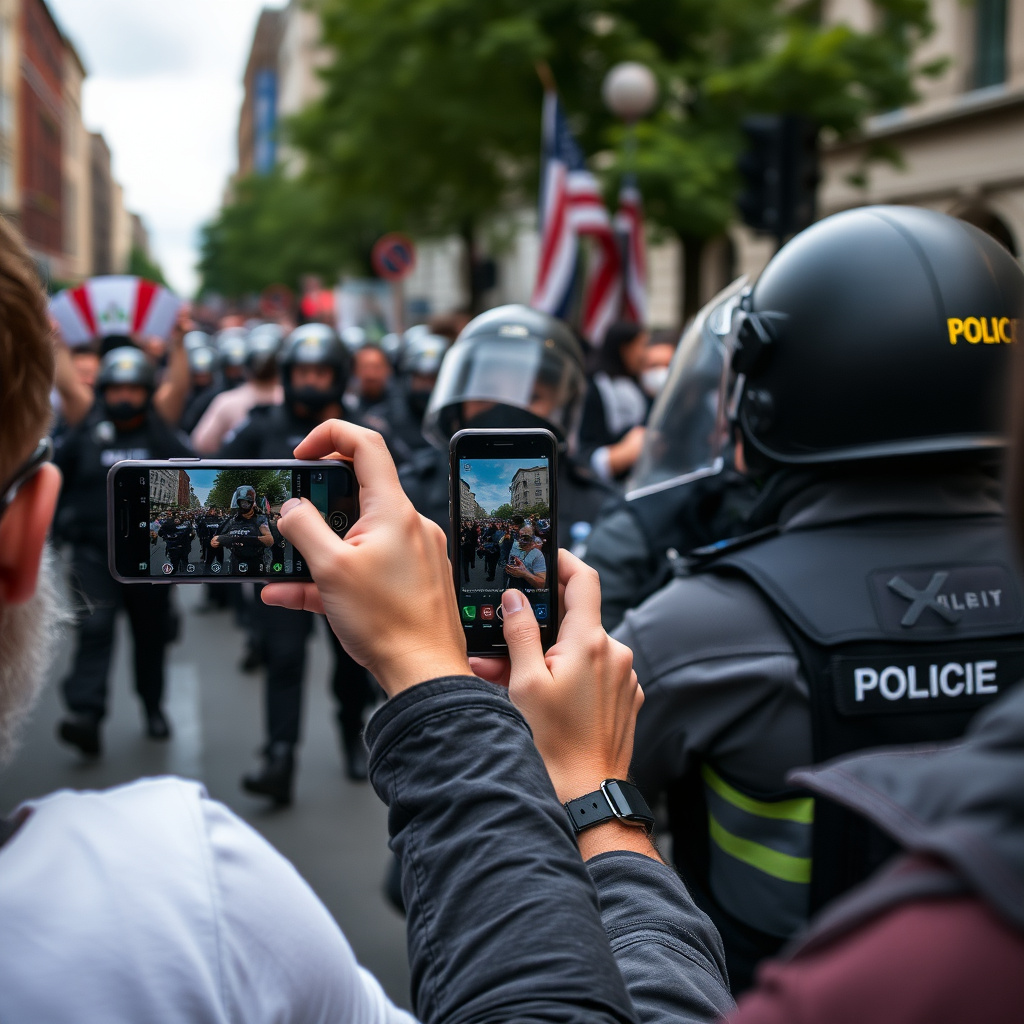
Police may establish barriers, separate groups, manage traffic, protect people and property, and respond to specific acts of violence. Effective crowd control focuses on identified risks rather than treating every participant as a threat. Training, communication, visible identification, and graduated measures can reduce unnecessary confrontation.
Negotiation, concessions, and legal measures
Government negotiation may involve protest organizers, community leaders, labor unions, opposition parties, mediators, or independent institutions. Authorities may offer policy reviews, parliamentary hearings, investigations, or limited concessions. Legal measures can include injunctions, fines, arrests, or restrictions on particular conduct, but they should target unlawful acts rather than political viewpoints.
Surveillance and emergency powers
Surveillance and emergency powers may be justified in narrowly defined circumstances involving serious and imminent threats. Their risks are substantial: broad monitoring can chill speech, while emergency rules can weaken judicial oversight and normalize exceptional state authority. Any temporary power should have a clear legal basis, time limit, reporting duty, and review mechanism.
International human-rights principles, including the protections described by the United Nations guidance on freedom of peaceful assembly, emphasize that public order cannot automatically override civil liberties.
De-escalation and Dialogue: When Governments Choose Engagement
Governments de-escalate mass protests by opening credible dialogue, reducing unnecessary restrictions, and addressing the grievance behind the mobilization. Engagement works best when it includes clear commitments, independent monitoring, and visible respect for peaceful protesters.
Dialogue does not require officials to accept every demand. It requires a channel through which demands can be heard and tested. A government might appoint a mediator, create a cross-party commission, publish relevant evidence, or schedule talks with representative groups. The process should be transparent enough to prevent rumors, while protecting participants who may face retaliation.
Small procedural decisions can have major effects. Removing unnecessary barriers, changing a march route through consultation, ensuring access to medical services, and separating rival groups can reduce tension without abandoning public safety. Police liaison officers who communicate directly with organizers may prevent misunderstandings before they become confrontations.
Concessions are most credible when officials explain what will change, who is responsible, and when progress will be measured. A promise to review a law has less value if the review has no timetable or independent participation. Institutional reform, such as strengthening oversight bodies or improving police accountability, can address both the immediate dispute and the conditions that produced it.
Dialogue can also fail. Protest movements may have decentralized leadership, conflicting demands, or factions that reject compromise. Government outreach may be seen as public relations if authorities continue arbitrary arrests or censor independent reporting. Engagement needs consistent behavior; one conciliatory speech cannot offset systematic intimidation.
Policing, Restrictions, and Repression
Lawful crowd management protects people and property through necessary, proportionate measures, while repression uses state power to silence dissent through excessive force, arbitrary detention, censorship, or intimidation. The distinction depends on conduct, evidence, oversight, and respect for rights.
Peaceful protesters retain freedom of assembly and expression even when their message is unpopular or disruptive. Civil disobedience may involve deliberately breaking a law to highlight injustice, but authorities should still distinguish nonviolent offenders from people who injure others or cause serious destruction. Arresting people solely for criticism or peaceful presence can turn public-order enforcement into political suppression.
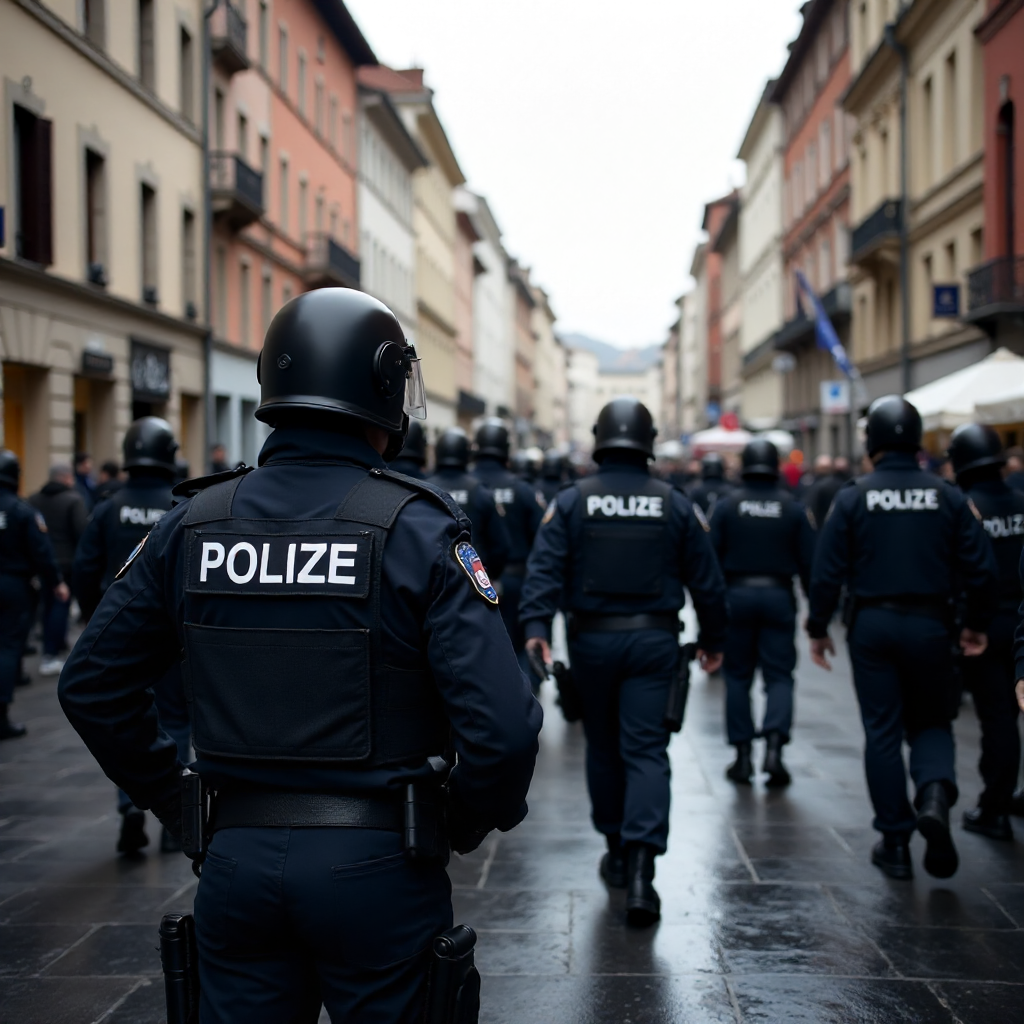
Excessive force may include indiscriminate use of chemical agents, dangerous projectiles, beatings, or other tactics that are unnecessary for the specific threat. Authorities should use the least harmful effective option, provide warnings where feasible, preserve medical access, and investigate allegations independently.
Restrictions on assembly can sometimes protect life, prevent credible violence, or manage competing safety needs. They become suspect when applied broadly, indefinitely, or selectively against opposition groups. Internet shutdowns, mass surveillance, media censorship, and collective punishment can reduce visible protest while deepening fear and resentment.
Accountability is the dividing line. Independent complaints bodies, courts, legislative inquiries, body-camera policies where appropriate, and public reporting can test whether police actions followed the law. Without accountability, even an initially limited intervention may encourage further abuses and weaken confidence in institutions.

Immediate Consequences of Government Responses
The immediate consequences of a government response include changes in protest participation, public safety, injuries, arrests, disruption, media coverage, and the likelihood of escalation or dispersal. A response that ends a demonstration quickly may still create serious short-term and long-term costs.
Dialogue and limited crowd management can lower tension, preserve essential services, and allow a protest to conclude without widespread harm. Clear routes and communication may reduce accidental confrontations. By contrast, sudden bans, mass arrests, or aggressive crowd control can produce panic, injuries, property damage, and rapid escalation.
Repression sometimes reduces visible participation because people fear detention or violence. That apparent success can be misleading. Protest activity may move underground, spread online, or return in larger numbers after a triggering incident. Images of force can also change media coverage, shifting attention from the original demand to alleged state abuses.
Arrests create practical burdens for courts, families, and detention systems. They may remove individuals from public spaces temporarily, but indiscriminate detention can overwhelm legal institutions and expose authorities to claims of arbitrary treatment. The immediate outcome should therefore be measured by more than whether streets are cleared.
A useful assessment asks three questions: Did the response prevent identifiable harm? Did it protect peaceful participants? Did it leave a credible path toward resolving the underlying dispute? A negative answer to the second or third question often predicts renewed mobilization.
Long-Term Political and Social Consequences
Long-term consequences depend on whether government action strengthens legitimacy and accountability or deepens fear, polarization, and distrust. Respectful engagement can support institutional reform, while repression can preserve order temporarily at the cost of democratic norms.
When authorities acknowledge grievances and investigate misconduct, citizens may regain confidence even after a difficult confrontation. Transparent processes signal that public institutions can correct mistakes. Independent monitoring and judicial remedies are especially important when protesters allege unlawful detention, discrimination, or excessive force.
Heavy-handed responses can produce a cycle of mobilization. Each arrest or injury may become evidence that the government is unwilling to listen, encouraging broader participation and more radical demands. Polarization also grows when officials label all protesters extremists or when movements treat every public servant as an enemy.
Responses influence future political behavior. If peaceful assembly leads to dialogue, citizens may continue using lawful collective action. If peaceful channels repeatedly fail, some people may lose faith in elections, courts, or legislatures. That erosion of trust can damage democratic stability well beyond the original protest.
There are also social consequences. Families may experience trauma, communities may divide, and minority groups may become less willing to engage with authorities. Conversely, a carefully managed protest can strengthen civic participation by demonstrating that disagreement and public order can coexist.
The most durable outcome is usually tied to follow-through. A government that announces reform but delays implementation may create deeper cynicism than one that makes a limited promise and completes it. Trust is built through observable conduct over time.
What Makes a Government Response Effective and Rights-Respecting?
An effective and rights-respecting government response combines proportionality, transparency, dialogue, due process, independent oversight, and protection for peaceful protesters. It manages genuine risks without treating dissent itself as a public-order offense.
A practical framework is the six-part rights test:
- Legality: Is each restriction based on a clear, accessible law rather than an informal order?
- Necessity: Is there a specific and credible risk that requires intervention?
- Proportionality: Is the measure no more restrictive or harmful than needed?
- Distinction: Are peaceful protesters separated from individuals committing violence or serious unlawful acts?
- Transparency: Have authorities explained decisions, published evidence, and communicated timelines?
- Review: Can courts, oversight bodies, journalists, and the public examine the response?
This framework also improves operational judgment. Before restricting an assembly, officials should consider negotiation, route changes, mediation, and targeted enforcement. During a protest, they should maintain communication, protect medical access, and document significant decisions. Afterward, they should publish arrest figures, investigate complaints, and address legitimate grievances.
Governments should avoid three common mistakes. First, treating a large crowd as inherently dangerous confuses scale with unlawful conduct. Second, announcing concessions without a delivery mechanism makes dialogue appear deceptive. Third, measuring success only by dispersal ignores injuries, public trust, litigation, and future instability.
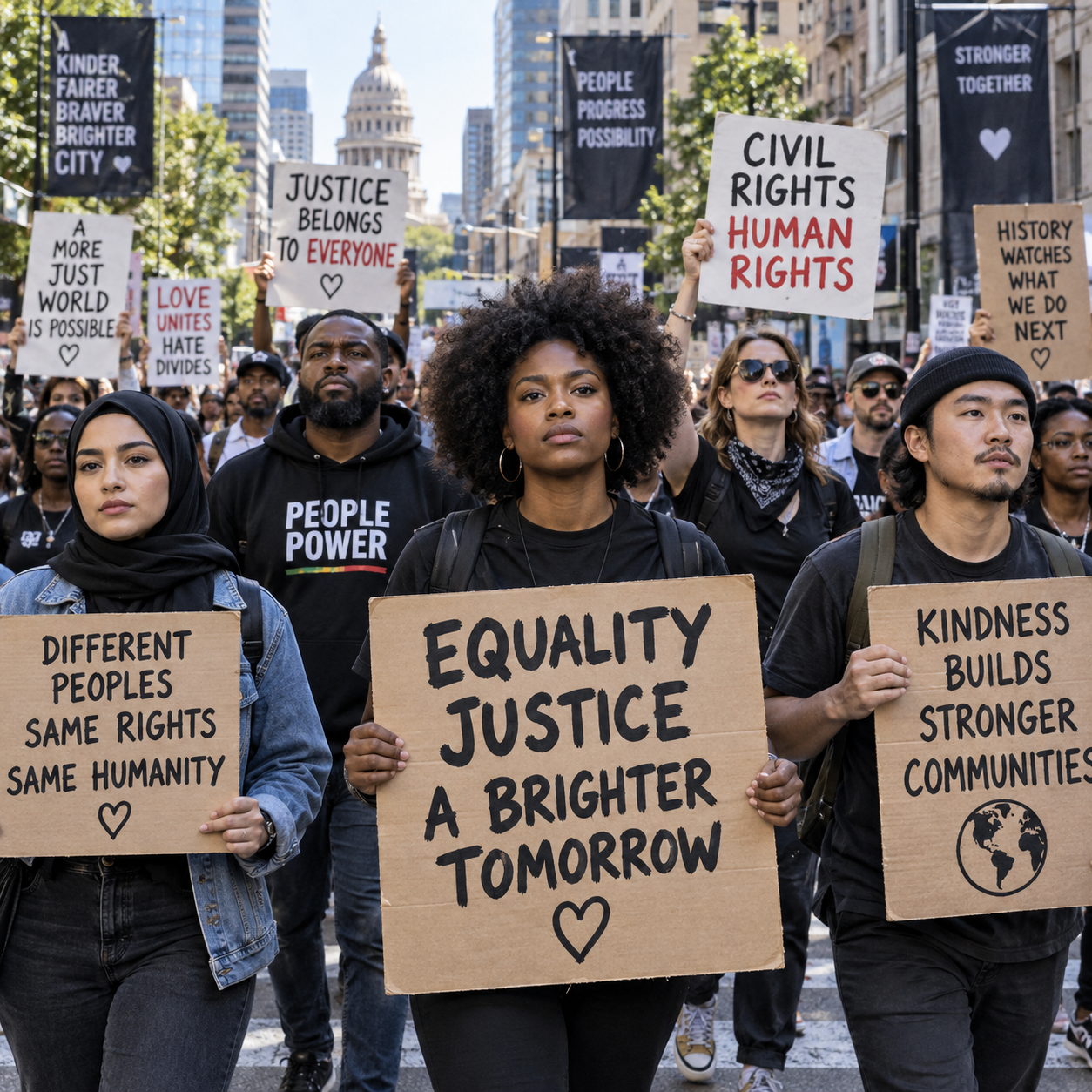
Mass protests are a form of political communication, even when they are disruptive or involve civil disobedience. Governments that protect freedom of assembly while responding firmly to specific violence have a better chance of preserving both safety and legitimacy. The immediate response matters, but its deeper test is whether citizens remain able to challenge power without fear.
Frequently Asked Questions
What are the main ways governments respond to mass protests?
Governments commonly use public messaging, permits, negotiation, concessions, protest policing, legal restrictions, surveillance, and emergency powers. The legality and consequences of each approach depend on necessity, proportionality, and protection of peaceful assembly.
When can protest restrictions be considered legitimate?
Restrictions may be legitimate when they have a clear legal basis, address a specific and serious risk, apply without political discrimination, and use the least restrictive effective measure. They should remain subject to judicial or independent review.
How can governments de-escalate a mass protest?
Governments can de-escalate through credible dialogue, liaison with organizers, negotiated routes, impartial policing, medical access, independent mediation, and clear responses to legitimate grievances. Trust declines when officials communicate while continuing arbitrary repression.
What are the consequences of using excessive force against protesters?
Excessive force can cause injuries, arrests, fear, and immediate disorder. It can also reduce public trust, increase polarization, trigger renewed mobilization, and expose institutions to legal claims and accountability investigations.
How do government responses affect civil rights and public trust?
Rights-respecting responses reinforce confidence that people can criticize authority safely. Censorship, arbitrary detention, collective punishment, and disproportionate force weaken civil liberties and may persuade citizens that peaceful political channels no longer work.