

Black Lives Matter vs. Yellow Vests: Comparing Two of the 21st Century\'s Most Influential Protest Movements
Two movements. Two continents. Two entirely different sets of grievances. And yet, when scholars of political protest look at Black Lives Matter and the Yellow Vests (Gilets Jaunes), they find something worth examining carefully: both movements shook established institutions, spread globally through social media, and operated without centralized leadership — all while representing constituencies with almost nothing in common on the surface.
Comparing them honestly requires resisting the temptation to flatten the differences. The value of placing these movements side by side lies precisely in what the contrast reveals about how race, class, and economic anxiety produce very different protest cultures — and very different relationships with power.
Origins and Founding Grievances
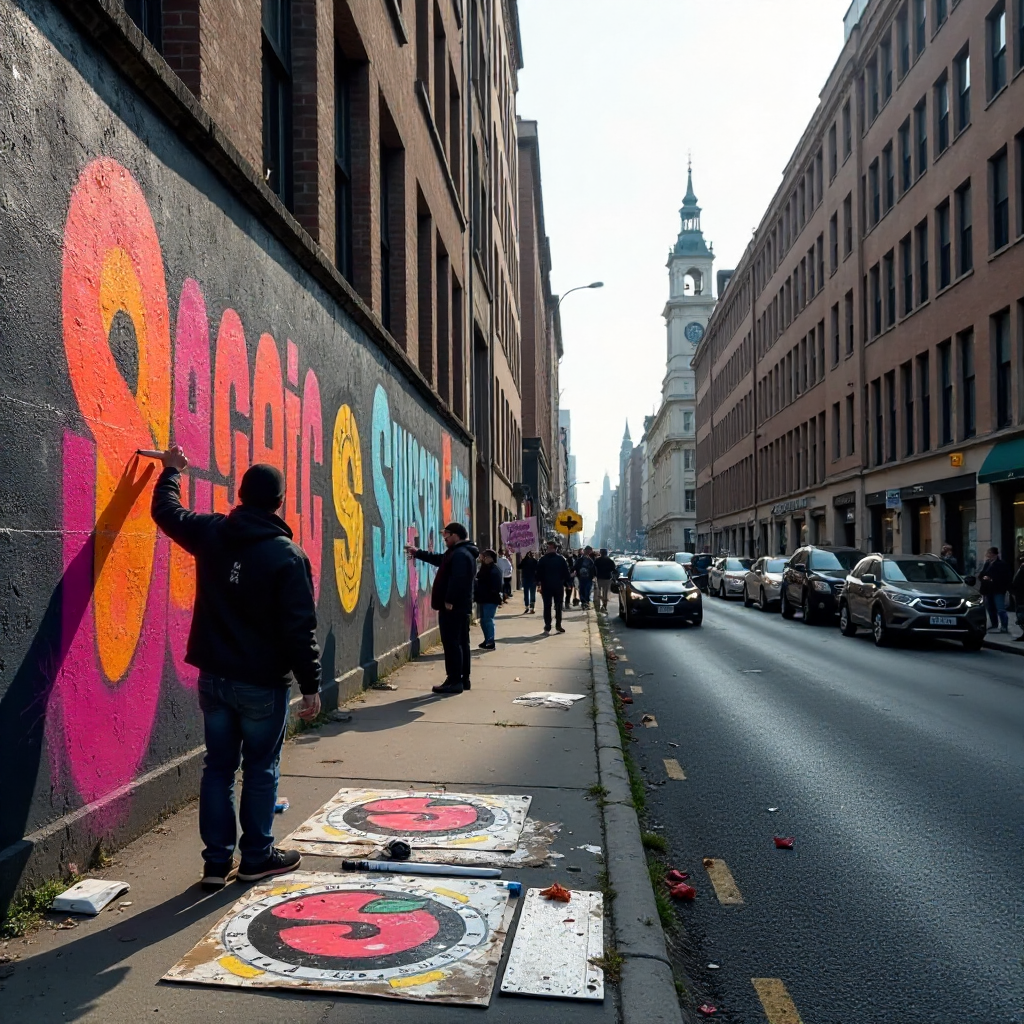
Black Lives Matter emerged in the United States in 2013, following the acquittal of George Zimmerman in the shooting death of Trayvon Martin. The hashtag #BlackLivesMatter was coined by activists Alicia Garza, Patrisse Cullors, and Opal Tometi. The movement's central grievance — police brutality and systemic racism — predates the hashtag by centuries; BLM gave it contemporary political form.
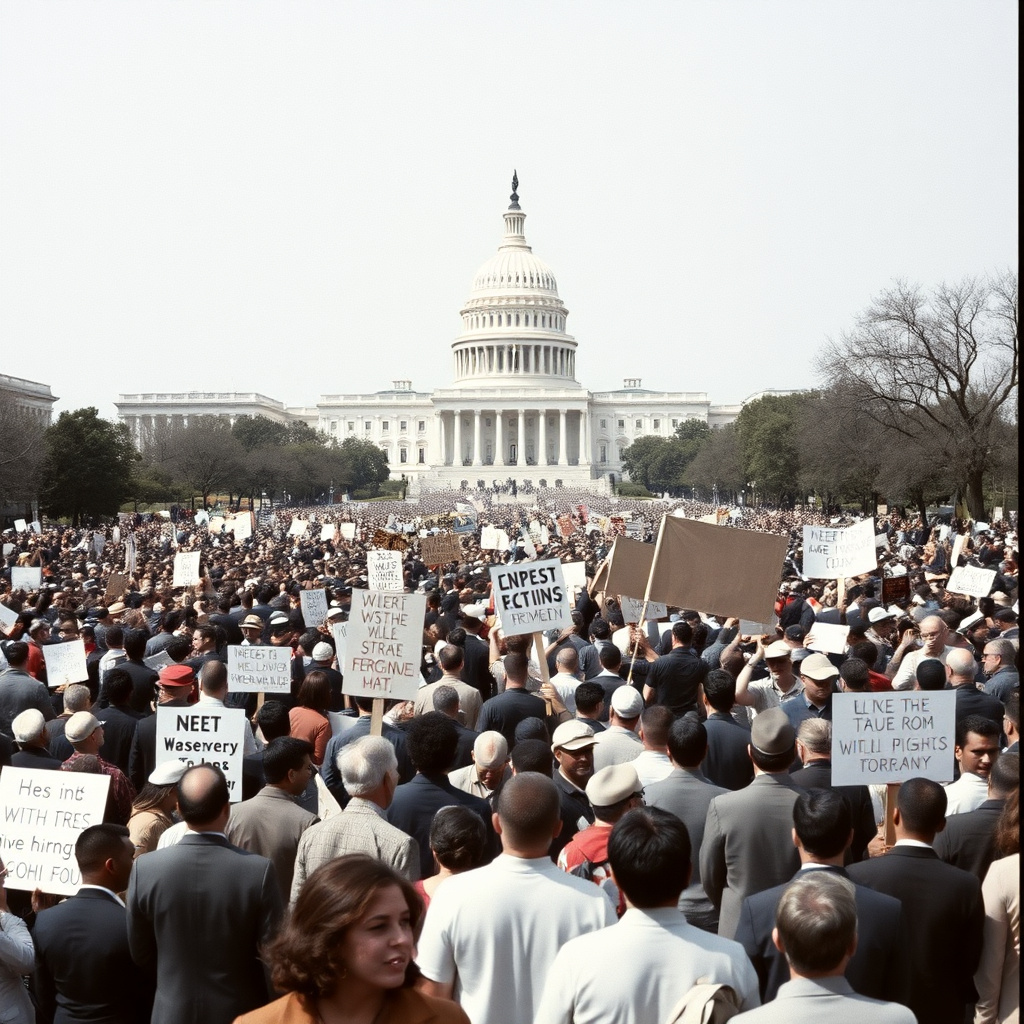
The movement surged globally in May 2020 after the murder of George Floyd, a Black man killed by Minneapolis police officer Derek Chauvin. That single event triggered protests in over 60 countries within weeks, making it one of the largest coordinated protest events in recorded history.
The Yellow Vests began from a narrower but viscerally felt trigger: a proposed fuel tax increase announced by Emmanuel Macron's government in late 2018. For rural and working-class French citizens who depended on cars for daily life, the tax felt like one more burden imposed by a distant, urban elite. The cost of living crisis was the spark, but the underlying fuel was years of economic stagnation, declining purchasing power, and a sense that the French political system no longer represented ordinary people.
Who Took to the Streets — Demographics and Base
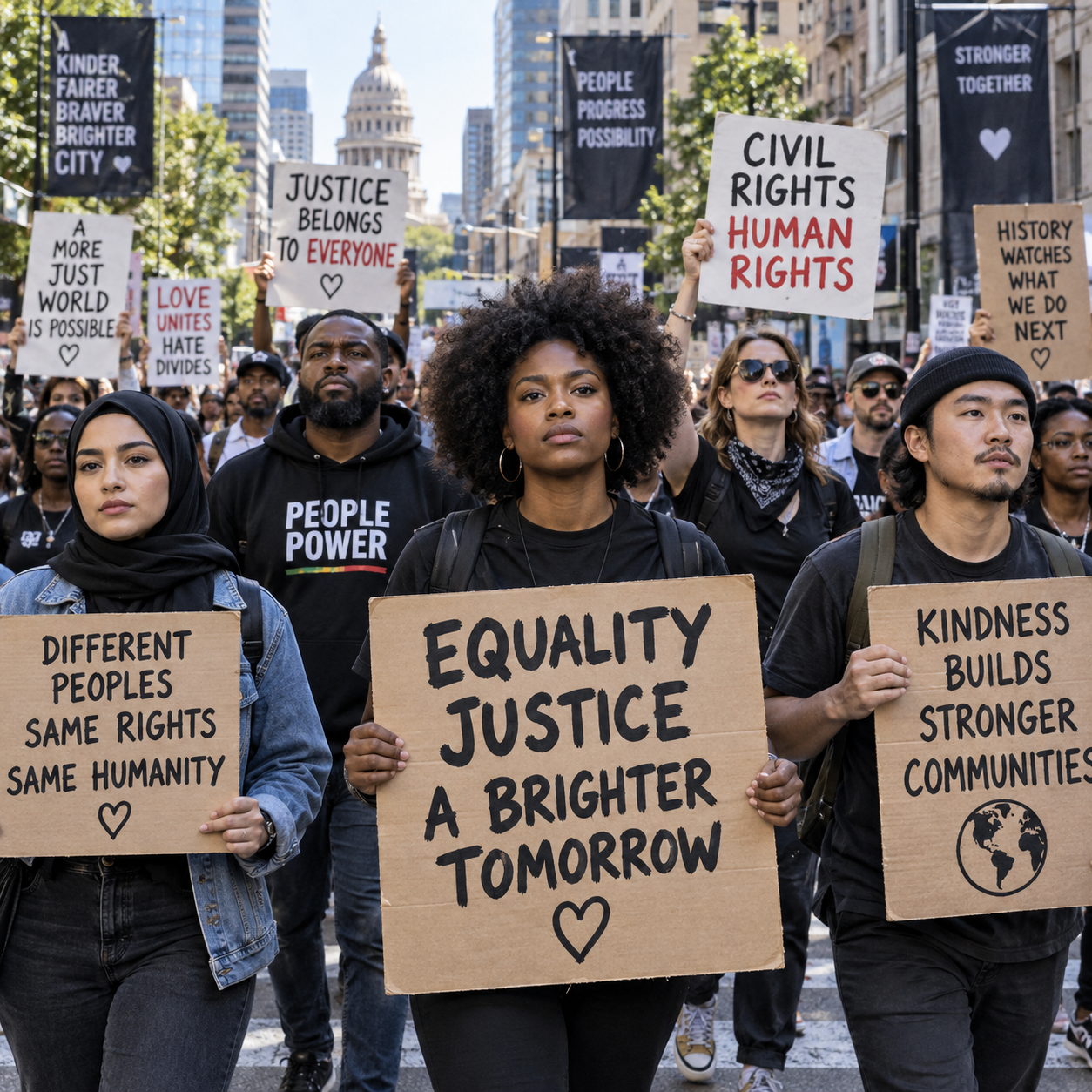
The social composition of each movement reveals as much as their stated demands. BLM drew heavily from Black communities across American cities, but its 2020 iteration attracted a notably multiracial coalition — polling from that period suggested a majority of participants in some marches identified as white. The movement's urban base, its alliance with progressive institutions, and its use of intersectionality as an analytical framework gave it a distinct ideological character rooted in anti-racist politics.
The Yellow Vests were demographically almost the inverse. Participants were predominantly white, working-class, and rural or peri-urban — the France that feels left behind by globalization and metropolitan prosperity. The movement attracted people from across the political spectrum: former supporters of Marine Le Pen's far right sat alongside voters who had backed the left-wing Jean-Luc Mélenchon. Class grievance, not identity politics, was the organizing principle.
This difference matters. BLM's base experienced the state as a source of racial violence. Yellow Vests experienced the state as economically extractive. These are not the same relationship with power, and they produced very different emotional registers in protest.
Organizational Structure and Leadership Models
Both movements share a defining structural feature: decentralized organizing with no single recognized leadership. This was partly strategic, partly organic — and it cut both ways.
For BLM, the absence of a Martin Luther King-style figurehead made the movement harder to suppress through targeted attacks on leadership. But it also created confusion about who spoke for the movement, which opponents exploited. When the BLM Global Network Foundation faced scrutiny over financial practices in 2021-2022, the decentralized structure complicated accountability.
Yellow Vests went further in their rejection of hierarchy. The movement explicitly refused to produce spokespeople or negotiate with the government as an organized body. Several individuals who briefly emerged as public faces were quickly disavowed by other participants. This radical horizontalism gave the movement its energy but also limited its ability to convert street pressure into durable political outcomes.
The shared lesson: leaderless movements are resilient against decapitation but vulnerable to fragmentation and narrative capture by outside actors.
Tactics, Visibility, and Public Disruption

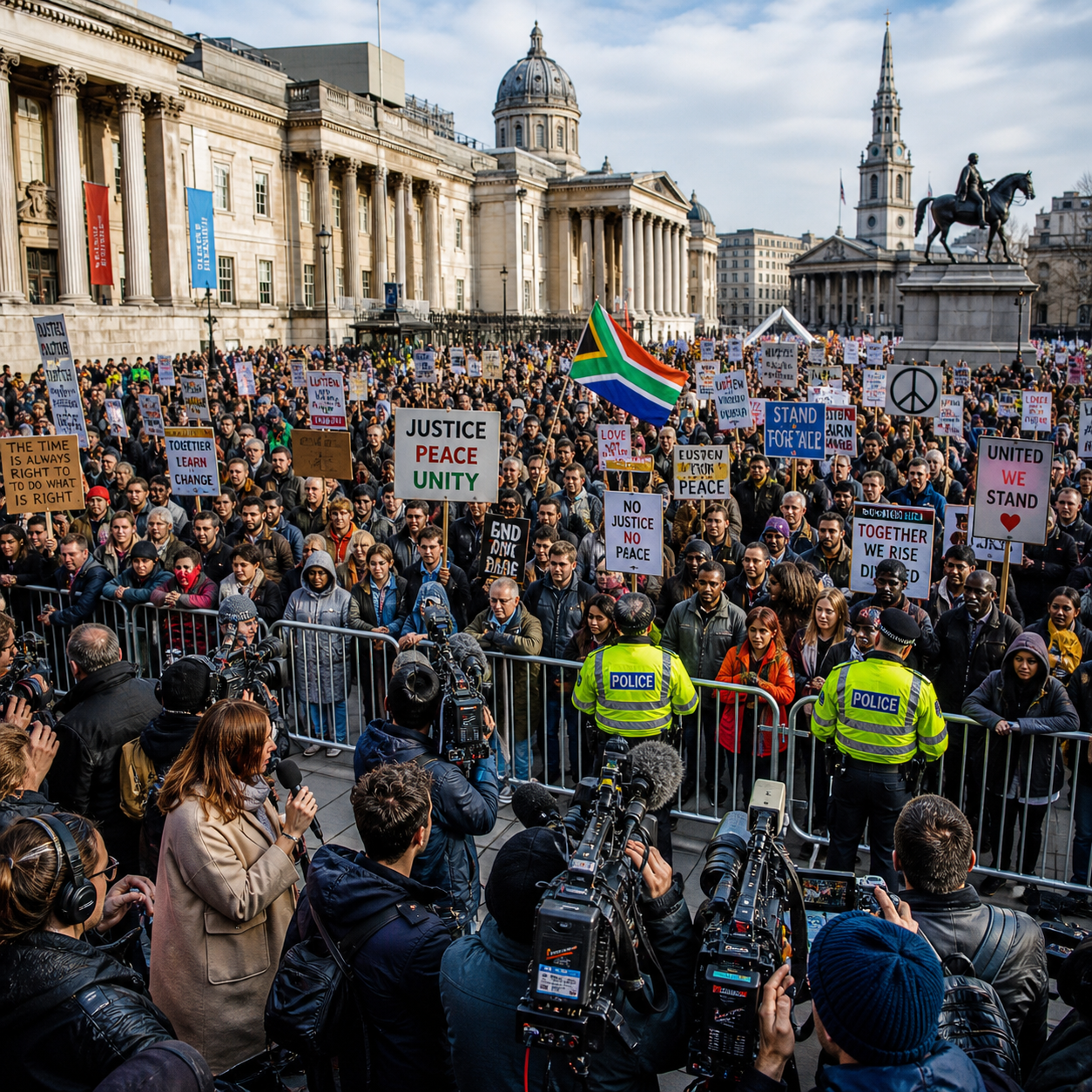
The tactical repertoires of the two movements diverged significantly. BLM protests centered on marches, vigils, and organized demonstrations in urban centers — tactics with deep roots in the American civil rights tradition. Property destruction occurred, particularly in 2020, and became a flashpoint in public debate, though most BLM-affiliated events remained peaceful.
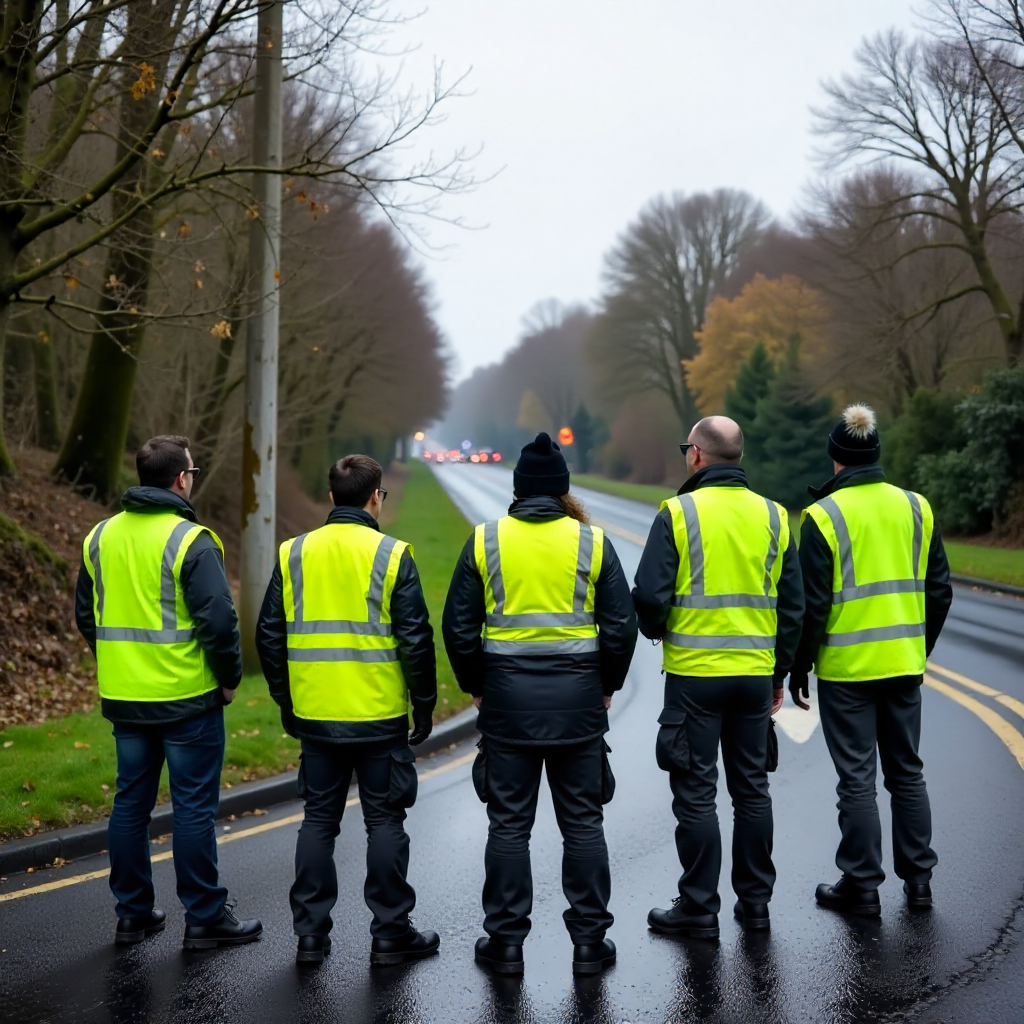
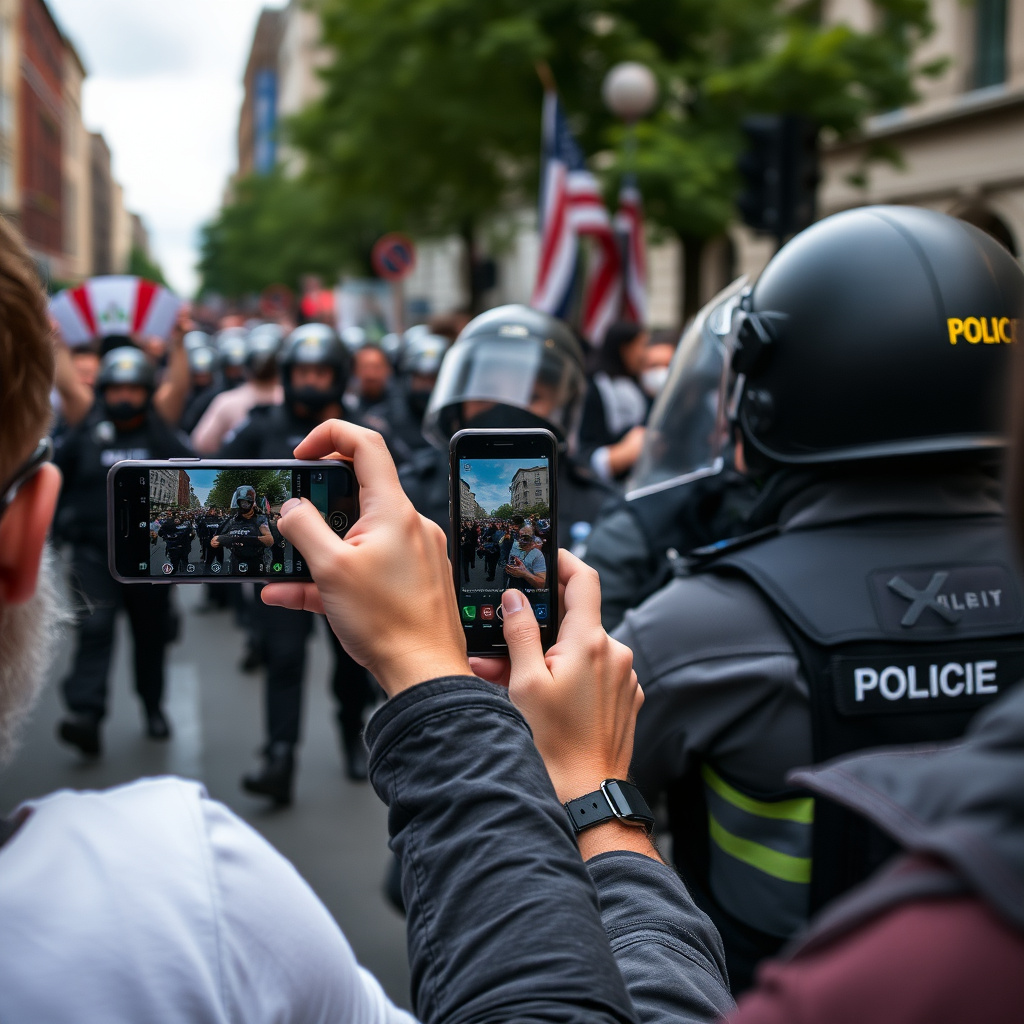
Yellow Vests adopted more disruptive physical tactics from the outset. Blocking roundabouts — a distinctly French protest method — became the movement's signature. Roundabouts are the circulatory system of rural French commerce; blocking them imposed real economic costs. Saturday marches in Paris frequently ended in clashes with riot police, and property damage in central Paris, including the Arc de Triomphe, generated dramatic media coverage.
Both movements were masters of social media mobilization. BLM's hashtag infrastructure made it globally replicable almost instantly. Yellow Vests organized primarily through Facebook groups, which allowed rapid coordination without traditional union or party structures. In both cases, the platform became the organizing layer that replaced the institution.
Government and Institutional Responses
Governments in both France and the United States responded with a combination of concession and crackdown — though the balance differed. Macron's government suspended the fuel tax in December 2018, a significant early concession, and launched a national consultation process called the Grand Débat National. These were real responses to real pressure, though critics argued they were designed to defuse rather than address underlying inequality.
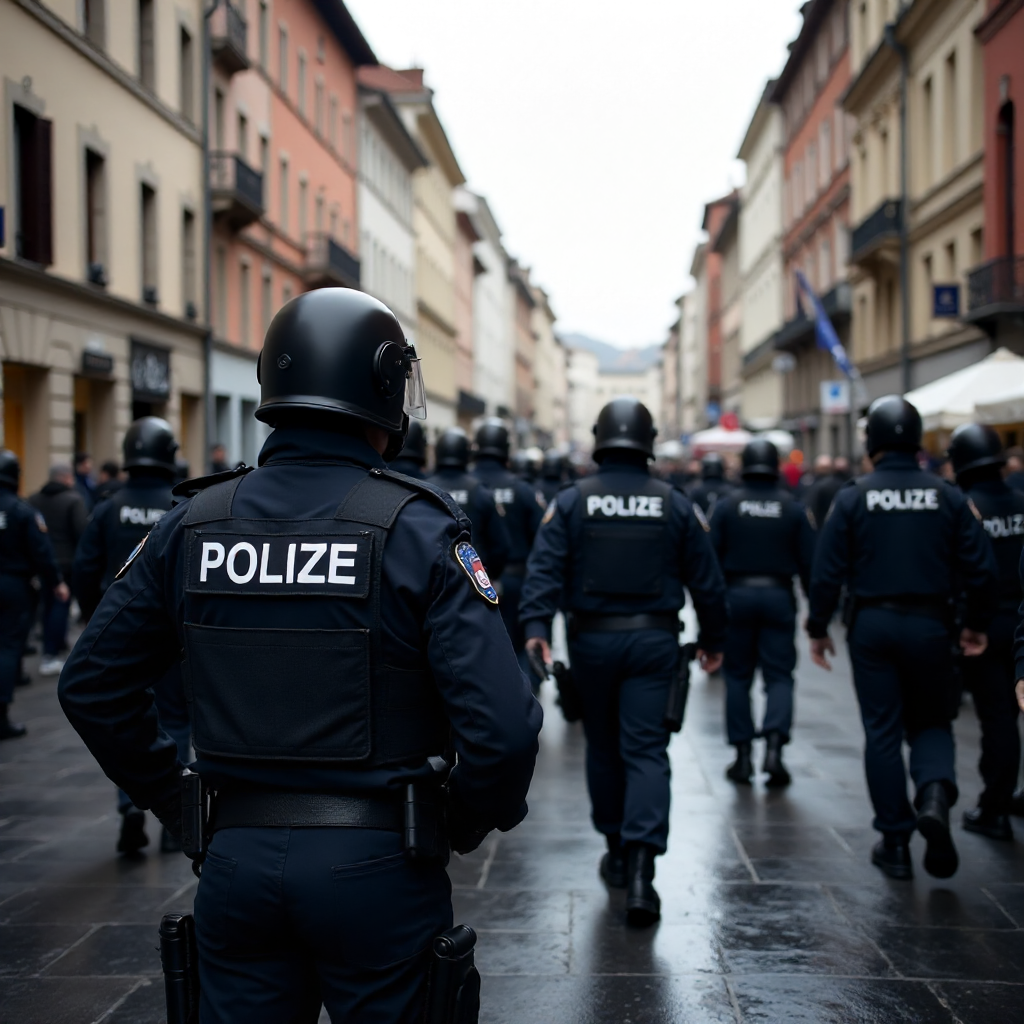
French authorities also deployed extensive force. The use of rubber bullets and LBD40 launchers (flashball guns) caused serious injuries to hundreds of protesters, including several who lost eyes or hands. The severity of the crackdown drew condemnation from human rights organizations.
In the United States, BLM protesters faced militarized police responses, mass arrests, and in some jurisdictions, the deployment of National Guard units. The federal government under the Trump administration characterized the movement in hostile terms. At the local level, responses varied widely — some cities engaged in genuine police reform conversations, while others doubled down on enforcement.
A notable difference: the Yellow Vests extracted a concrete policy reversal within weeks. BLM's demands — defunding or reforming police, addressing systemic racism — were structurally harder to satisfy with a single policy change, which shaped the longer arc of its engagement with institutions.
Ideology and Political Alignment
The ideological profiles of these movements are nearly mirror images. BLM operates within a broadly progressive, anti-racist framework. Its intellectual foundations draw on critical race theory, abolitionist thought, and the long tradition of Black radical politics in America. The movement aligns, sometimes uncomfortably, with the left wing of the Democratic Party, though many activists explicitly reject electoral politics as a primary vehicle for change.
Yellow Vests resist ideological classification — and that resistance is itself ideologically significant. The movement's cross-partisan composition reflects a populist logic: the primary division is not left vs. right but people vs. elite. This made the movement difficult for any political party to co-opt, but also meant it struggled to articulate a coherent program beyond its initial demands.
Some observers noted that the Yellow Vests' anti-elite populism occasionally shaded into conspiracy thinking and antisemitism at its fringes — a recurring vulnerability of movements that reject ideological coherence as a matter of principle. BLM faced its own internal tensions around tactics, demands, and the relationship between local chapters and national organizations.
Legacy, Impact, and What Each Movement Changed

Both movements produced real, if uneven, change. BLM's most measurable impact came in the policy domain: dozens of U.S. cities passed police reform measures in 2020, several Confederate monuments were removed, and public discourse around racial justice shifted in ways that polling consistently documented. The movement also contributed to a broader global reckoning with colonial history, from Belgium's reassessment of Leopold II statues to the UK's Colston statue being pulled into Bristol harbor.
The Yellow Vests secured the fuel tax suspension and extracted significant government attention to rural economic decline. The Grand Débat, whatever its limitations, was an unusual exercise in direct democratic engagement. Macron's political style — perceived as technocratic and dismissive — was durably damaged, and the movement contributed to a broader shift in French political energy toward economic populism.
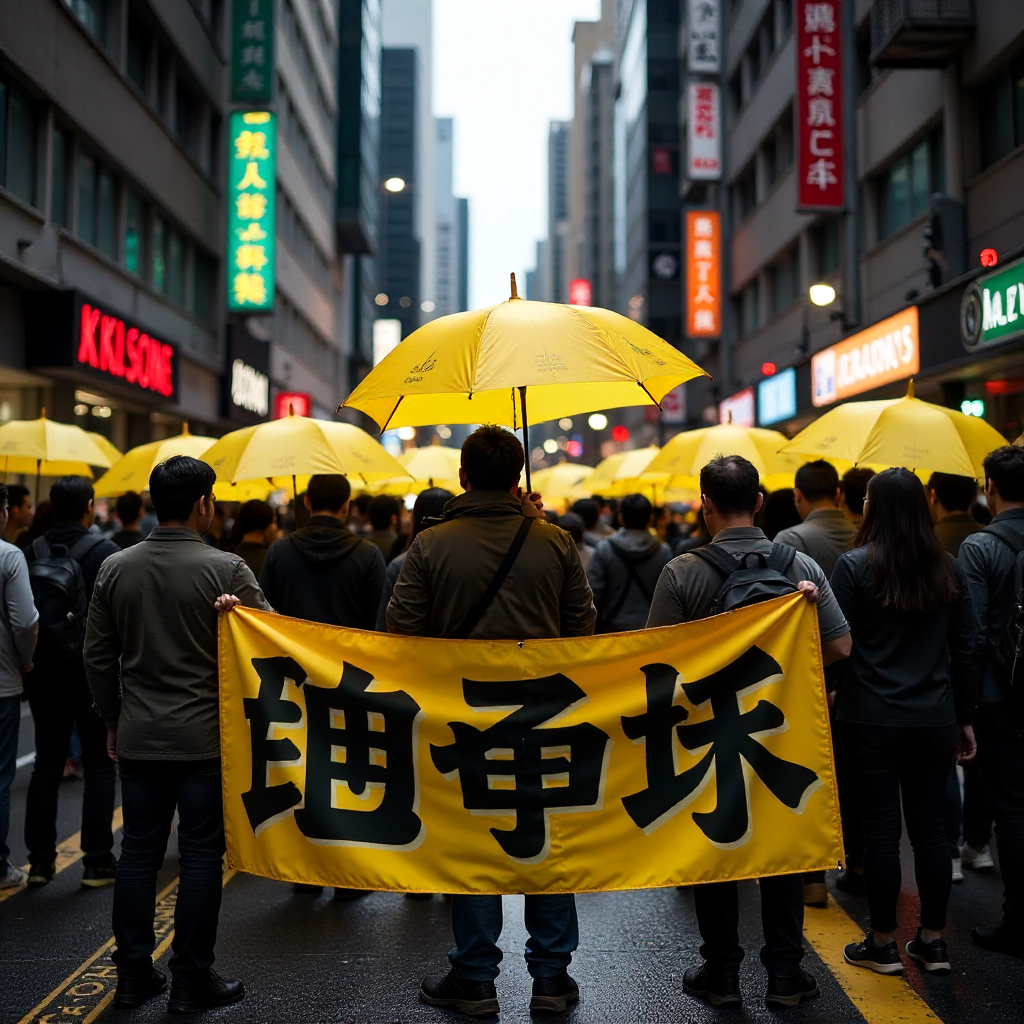
What both movements changed most profoundly may be less about specific policies and more about demonstrating a model: that large-scale, leaderless, social-media-organized protest can force governments to respond. That lesson has been absorbed by movements worldwide, from Hong Kong's pro-democracy protests to climate activism to labor organizing. In that sense, both BLM and the Yellow Vests are chapters in a longer story about how political power is contested in the digital age.
Frequently Asked Questions
Are Black Lives Matter and Yellow Vests ideologically similar?
No, they are not. BLM is rooted in progressive, anti-racist politics with a focus on racial justice and police reform. Yellow Vests are economically driven and cross-partisan, drawing on populist sentiment rather than a coherent left or right ideology. The structural similarities — decentralization, social media use — should not be mistaken for ideological alignment.
Did either movement achieve its core demands?
Partially. Yellow Vests secured the cancellation of the fuel tax increase and forced a national consultation process. BLM achieved significant policy changes at the local level and shifted public discourse, but its broader structural demands around policing and systemic racism remain largely unmet. Neither movement achieved a complete transformation of the systems it challenged.
Why did both movements adopt decentralized structures?
Partly by design, partly by necessity. Decentralization makes movements harder to suppress by targeting leaders, allows rapid local adaptation, and suits the horizontal logic of social media organizing. Both movements also emerged in contexts where trust in institutional leadership — unions, parties, established civil rights organizations — was low among participants.
How did social media shape the growth of each movement?
Social media was foundational for both. BLM's hashtag infrastructure allowed the movement to spread globally almost instantaneously after triggering events like George Floyd's murder. Yellow Vests organized primarily through Facebook groups, bypassing traditional union and party structures entirely. In both cases, platforms replaced institutions as the primary coordination layer — with all the speed and instability that implies.
Can the two movements be compared given their different cultural contexts?
Yes — carefully. The comparison is most productive when it highlights contrast rather than equivalence. Studying both movements together reveals how different grievances (racial justice vs. economic inequality) produce different protest cultures, different relationships with political parties, and different modes of engaging with the state. The differences are the point.