



The Ethics of Civil Disobedience in Democratic Societies: When Protest Becomes a Moral Imperative
Few questions in political ethics are as genuinely difficult as this one: when, if ever, is it right to break the law in a society that gave you a vote? Civil disobedience sits at the intersection of moral conscience, democratic legitimacy, and the rule of law — and it refuses to stay neatly in any one category. This article builds a practical framework for thinking through that tension, from first principles to real-world application.
What Is Civil Disobedience? Defining the Concept
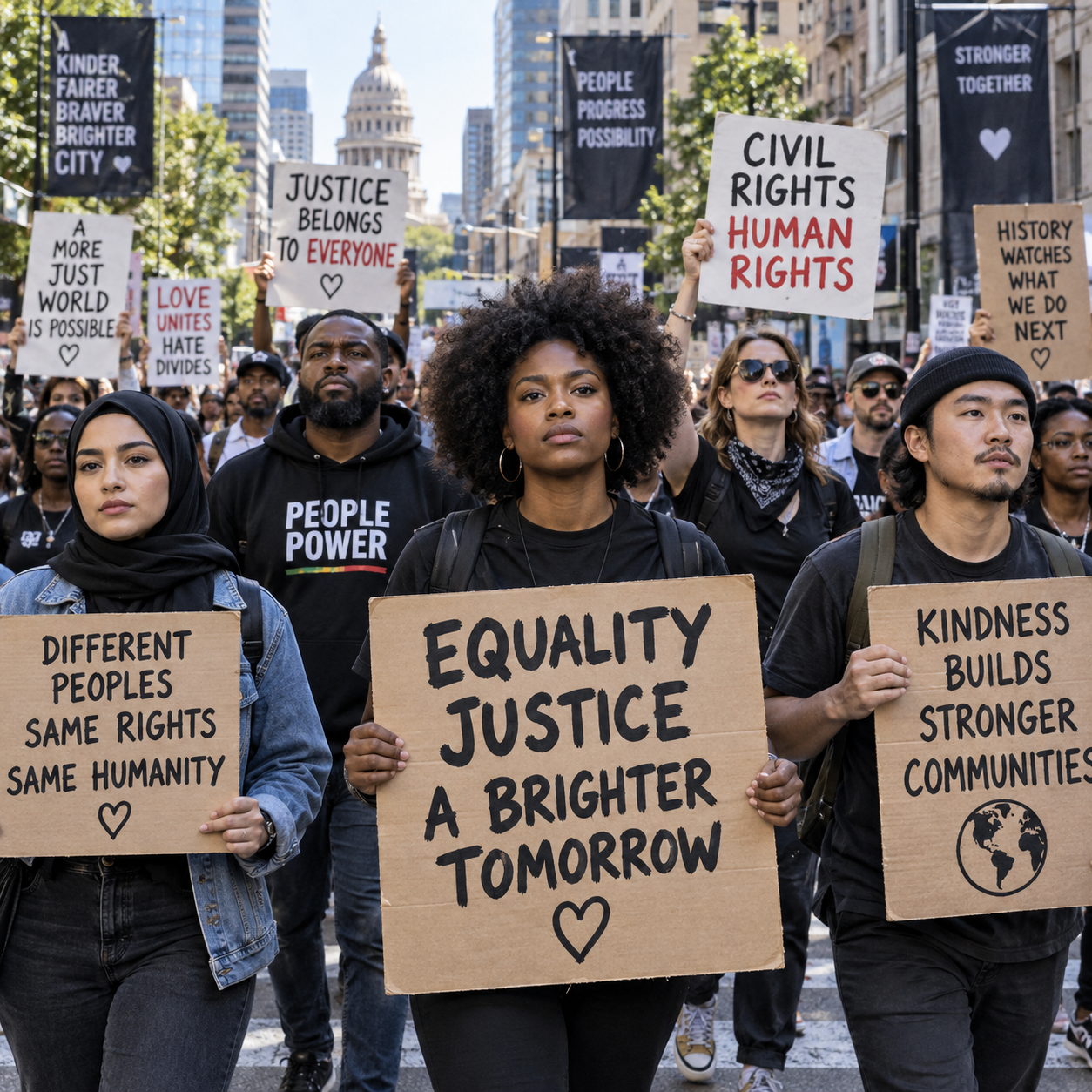
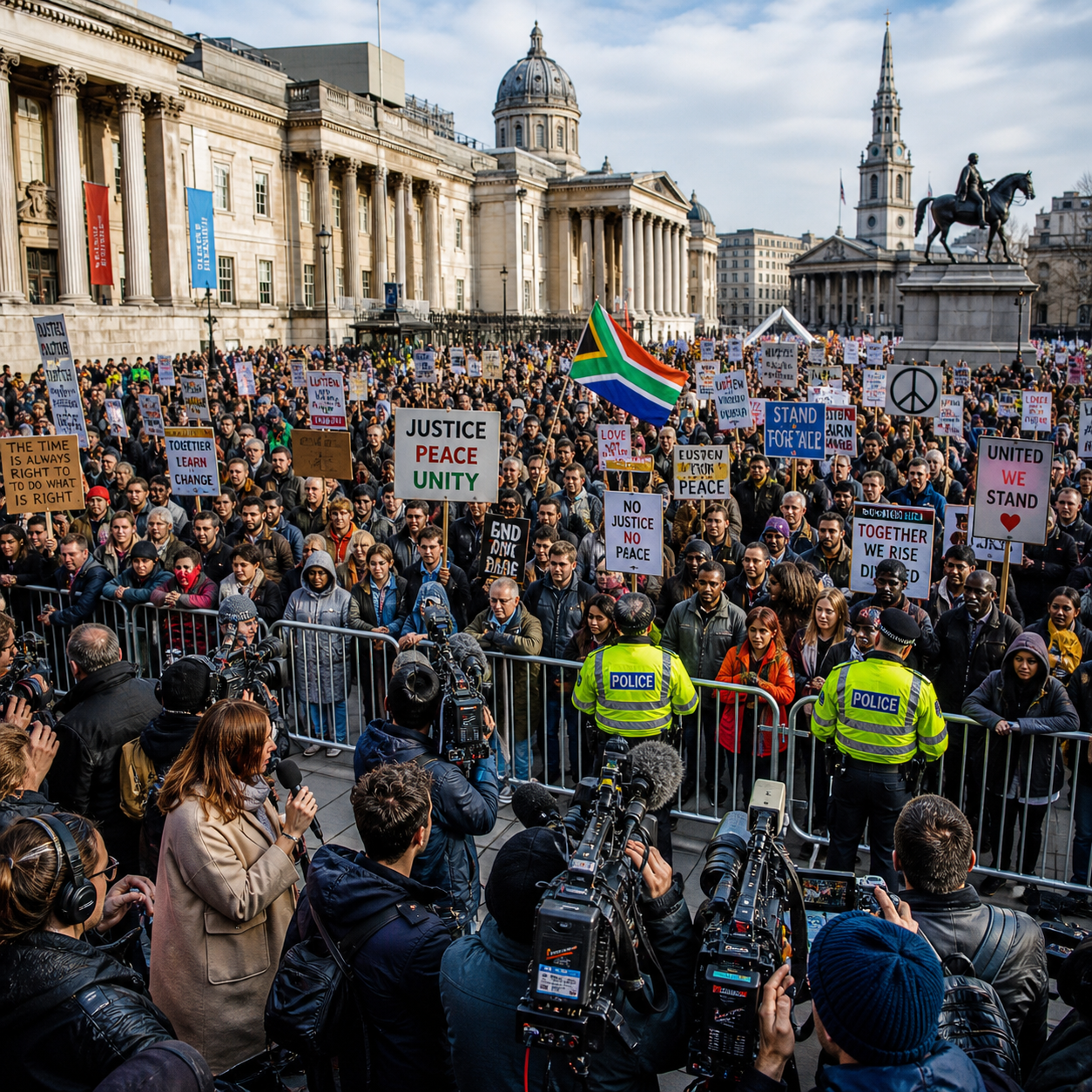
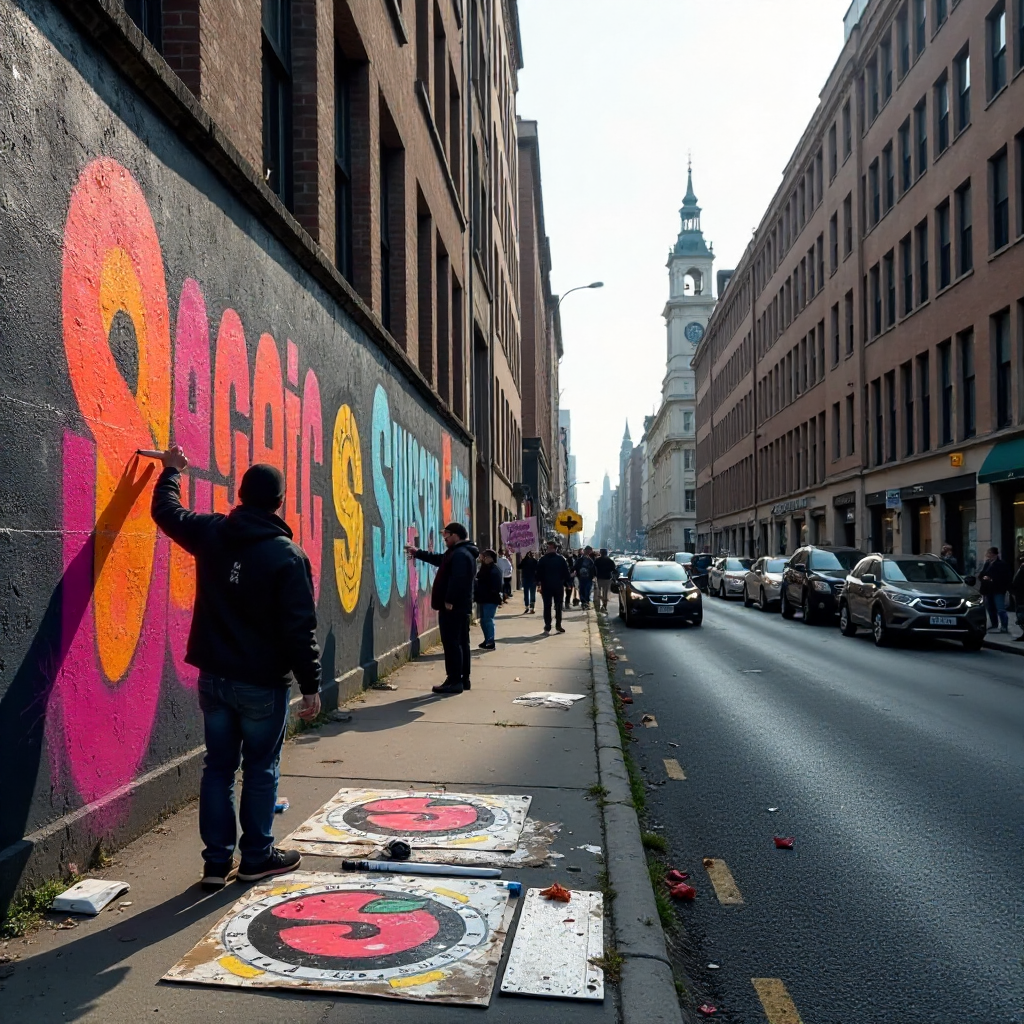
Civil disobedience is the deliberate, public, and nonviolent violation of a specific law or policy to protest its injustice and appeal to the moral conscience of the broader community. It is distinct from ordinary crime (which seeks private gain), from legal protest (which operates within permitted boundaries), and from revolution (which aims to overthrow the system itself).
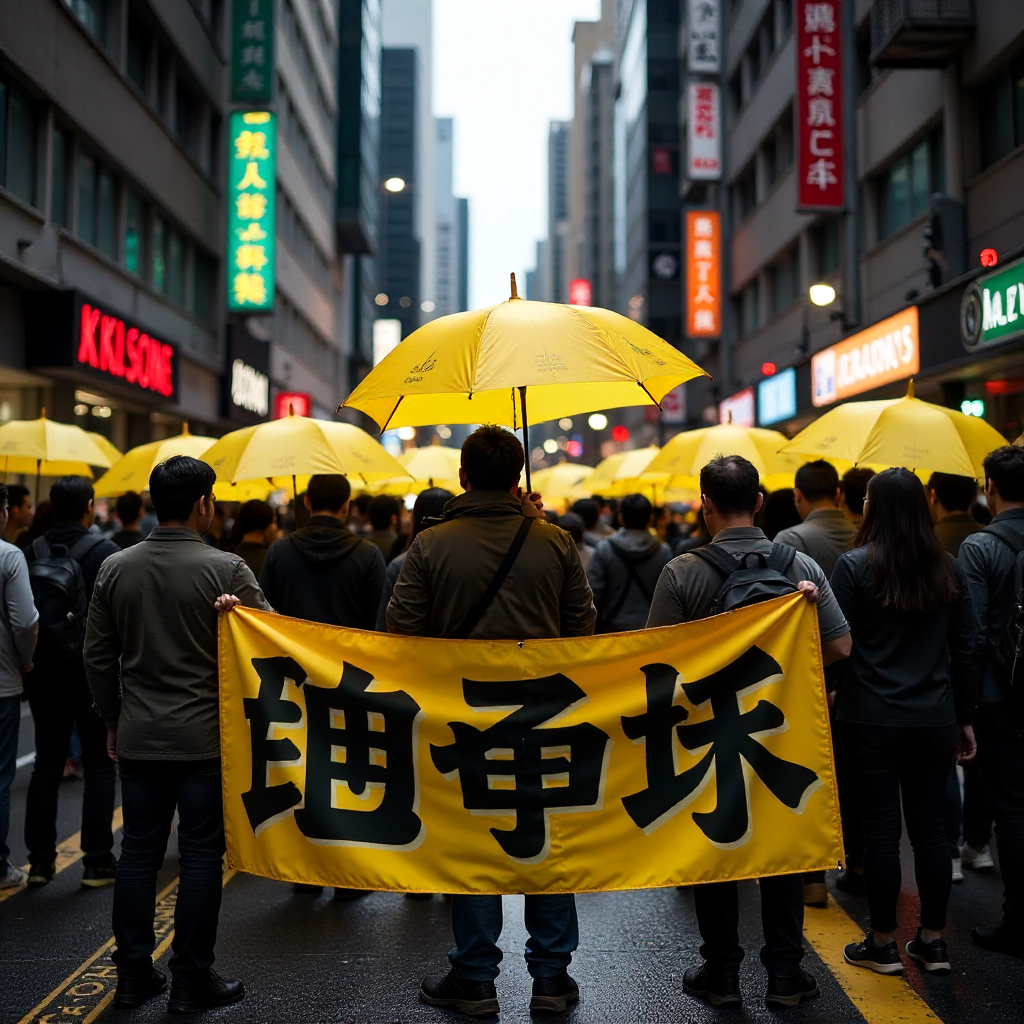
The distinction matters. A person who runs a red light to get home faster is not engaging in political dissent. A person who blocks a highway to draw attention to an unjust law — and stays to face arrest — is doing something categorically different. The act is public, the motive is civic, and the willingness to accept consequences signals that the actor is appealing to shared values rather than simply defying authority.
Three features tend to appear in most serious definitions: publicity (the act is open, not covert), intent (the goal is political change, not personal benefit), and nonviolence (the method avoids physical harm). When all three are present, the act enters the ethical territory worth debating seriously.
The Democratic Paradox — Protesting the System You Belong To
The core tension is this: in a democracy, citizens have already consented to a process for changing laws — voting, petitioning, organizing, litigating. Civil disobedience seems to bypass that process. Why should any individual's moral judgment override a decision made collectively by millions?
This is a real objection, not a rhetorical one. Democratic legitimacy rests on the idea that majority rule, constrained by rights, is the fairest mechanism humans have developed for collective decision-making. When protesters decide unilaterally that a law is unjust enough to break, they are substituting personal conscience for democratic process. That is worth taking seriously.
But the paradox cuts both ways. Democracies are not morally infallible. Majorities have voted for slavery, for the disenfranchisement of women, for the internment of citizens based on ethnicity. The rule of law is a procedural value — it tells us how decisions get made, not whether those decisions are right. A democracy that treats procedural correctness as the final word on justice has confused the instrument with the goal.
The more defensible position is that civil disobedience is not a rejection of democracy but a particular kind of appeal within it — one that says: the formal channels have failed or are too slow, and the stakes are high enough to justify a more urgent form of address.
Philosophical Foundations: The Case For and Against
The strongest philosophical support for civil disobedience draws on social contract theory and the concept of moral obligation. John Rawls, in A Theory of Justice, argued that civil disobedience is justified when it targets a substantial and clear injustice, when normal political avenues have been sincerely tried and failed, and when the act is nonviolent and public. For Rawls, it functions as a stabilizing mechanism in a nearly just society — a way of holding the system accountable to its own stated values.
Martin Luther King Jr. offered a related but more morally urgent argument in his Letter from Birmingham Jail: that citizens have not just a right but a duty to disobey unjust laws, drawing on natural law traditions that place moral conscience above positive law. His framework was explicitly theological, but its logic applies more broadly — some obligations run deeper than legal compliance.
The case against is also serious. Legal philosophers in the positivist tradition argue that law derives its authority from procedure, not morality, and that allowing individuals to selectively disobey laws they find unjust corrodes the predictability and stability that make legal systems valuable. There is also a slippery slope concern: if everyone claims the right to break laws their conscience condemns, the result is not moral progress but fragmentation.
Neither side wins cleanly. The honest answer is that civil disobedience occupies a genuinely contested ethical space — defensible under specific conditions, dangerous when those conditions are absent.
The Non-Violence Requirement and Its Ethical Weight
Non-violent resistance is widely considered the defining ethical boundary of civil disobedience — and crossing it changes the moral calculus entirely. The reason is not merely strategic (though nonviolence is often more strategically effective). It is principled: violence against persons treats them as means rather than ends, and it shifts the appeal from moral persuasion to coercion.
When protesters destroy property, the ethical picture becomes more complicated. Some theorists distinguish between symbolic property destruction (which may still function as communicative protest) and violence against people (which cannot). Others argue that any destruction undermines the moral legitimacy of the act. This is a genuine disagreement, not a settled question.
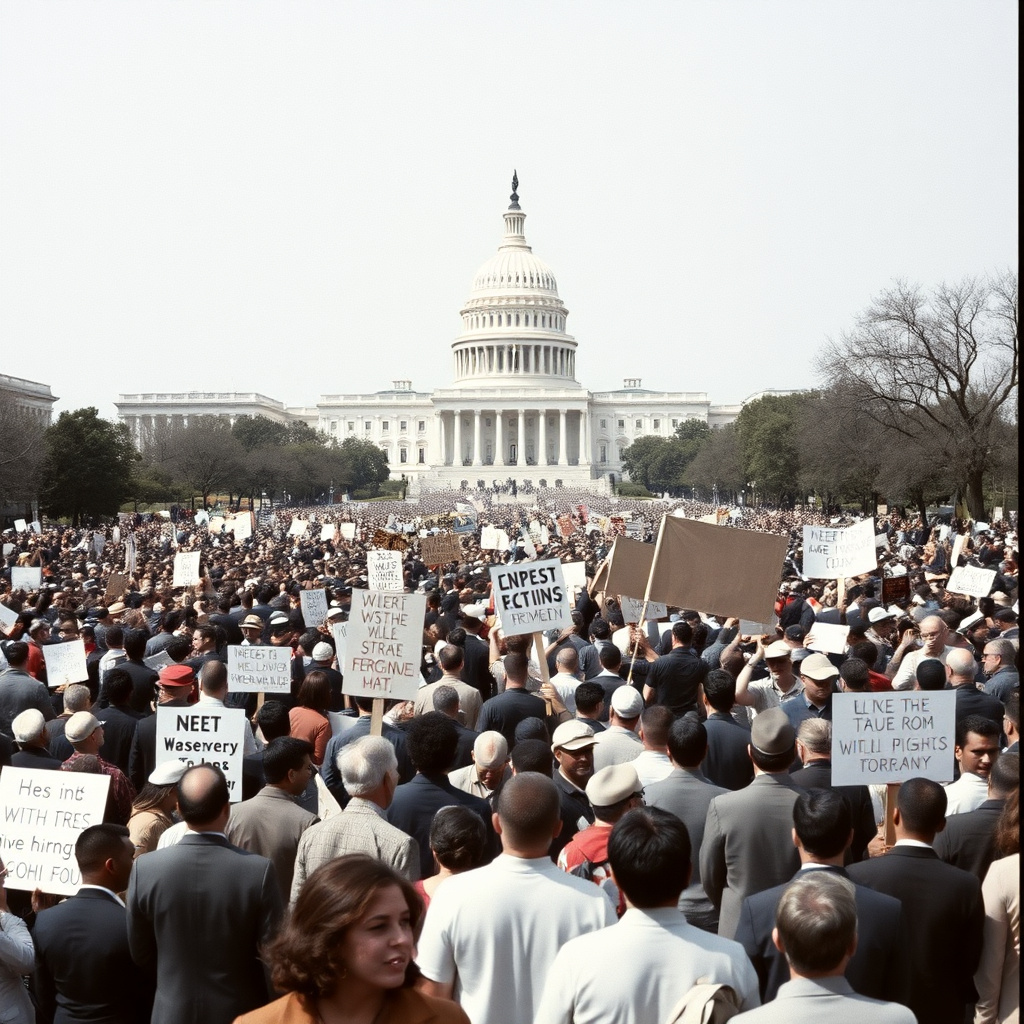
What is clearer is the effect on public perception and political outcomes. Historical movements that maintained nonviolent discipline — the U.S. civil rights movement, Gandhi's campaigns in India — built broad coalitions and created moral pressure that proved harder for authorities to deflect. Movements that turned or were pushed toward violence typically found their original message displaced by debates about the violence itself. That is not an argument from consequences alone; it reflects something about what civil disobedience is for.
When Is Civil Disobedience Justified in a Democracy?
Civil disobedience is most ethically defensible when four conditions are met: the cause is just, legal remedies have been genuinely exhausted, the act is proportionate, and the actors are publicly accountable for what they do.
These criteria are not a checklist that produces automatic answers, but they provide a useful filter:
- Just cause: The law or policy being challenged must involve a serious injustice — not mere inconvenience or political disagreement. The threshold matters. Disobeying a law because you find it inefficient is different from disobeying one that systematically denies rights to a group of people.
- Exhausted remedies: Have the normal channels — voting, litigation, lobbying, peaceful protest — been tried in good faith? If legal avenues remain open and viable, the justification for breaking the law weakens considerably.
- Proportionality: The disruption caused by the act should be proportionate to the injustice being protested. Blocking an emergency room entrance to protest a zoning decision fails this test. Blocking a bridge to protest state violence against a minority group occupies different moral ground.
- Public accountability: The actors should be willing to identify themselves, explain their reasoning publicly, and accept legal consequences. Anonymity and evasion undermine the communicative function of the act.
No framework eliminates hard cases. But these four criteria at least distinguish principled political dissent from self-serving lawbreaking — which is the distinction that matters most for democratic ethics.
The Role of Acceptance of Legal Consequences
Willingness to face legal punishment is one of the most important markers separating ethically grounded civil disobedience from ordinary defiance of authority. The logic is not masochistic — it is communicative and democratic.
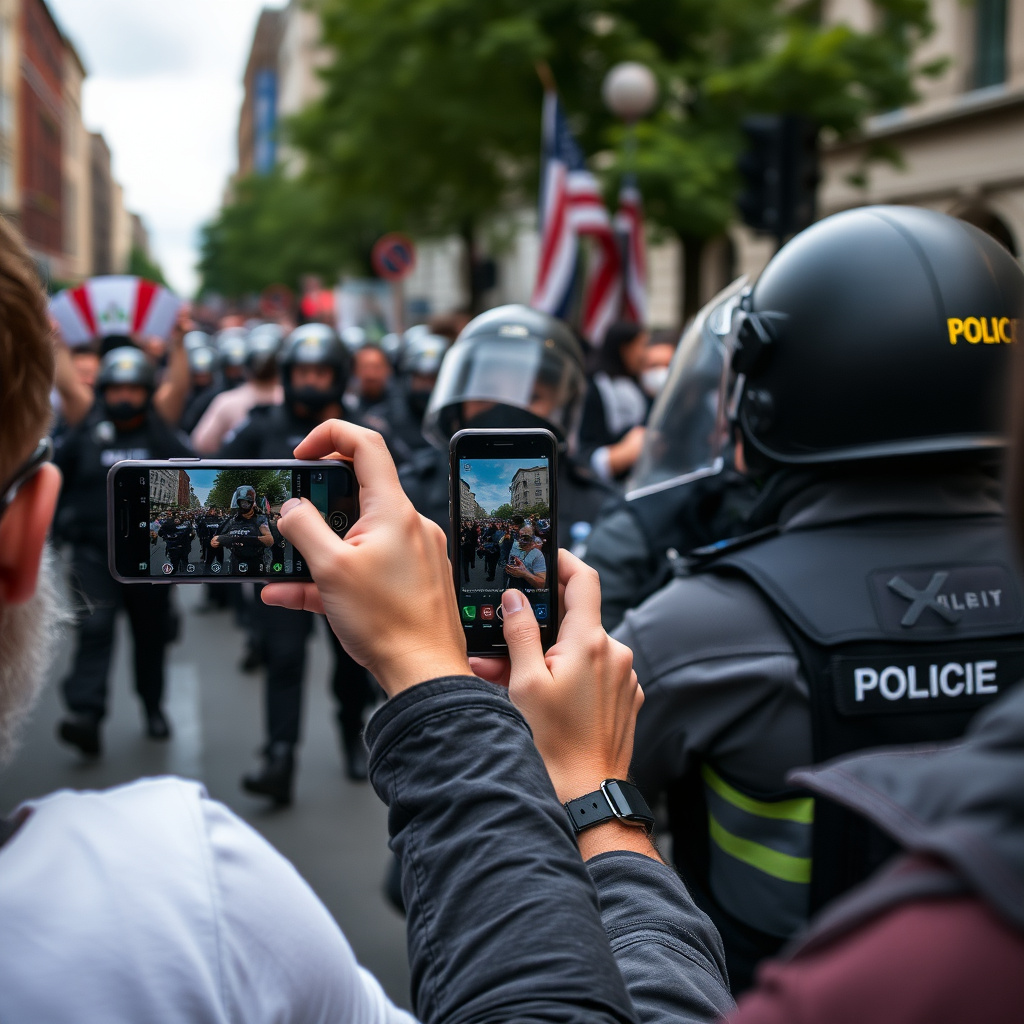
When protesters accept arrest, they do several things at once. They demonstrate that their objection is to a specific law or policy, not to legal order as such. They show that their commitment is sincere enough to cost them something. And they create a public record that forces the broader community to confront the gap between the law as written and justice as understood.
King's willingness to go to jail in Birmingham was not incidental to the moral force of his campaign — it was central to it. The spectacle of peaceful people being imprisoned for sitting at lunch counters made the injustice visible in a way that no speech could replicate.
This does not mean that evading consequences is always indefensible. Activists facing genuinely disproportionate punishment — mandatory minimums, political persecution — face a different calculation. But as a general principle, accepting consequences signals that you are appealing to the community's conscience, not simply trying to get away with something.
Limits and Criticisms — Where Civil Disobedience Goes Wrong
Civil disobedience has genuine limits, and ignoring them produces bad outcomes for the movements that ignore them and for democratic culture more broadly.
The first serious risk is institutional erosion. Democratic institutions are fragile. They depend on a baseline of shared compliance with legal norms, even imperfect ones. When civil disobedience becomes routine — when every political faction treats its grievances as serious enough to justify lawbreaking — the result is not a more just society but a less stable one. The norm of legal compliance has value precisely because it is general.
The second risk is selective application. Groups across the political spectrum have claimed the mantle of civil disobedience for acts that serve their interests. The ethical framework described above applies equally to all of them — and many acts claimed as principled disobedience fail the just cause or proportionality tests when examined honestly. Enthusiasm for a cause is not a substitute for ethical reasoning.
Third, there is the escalation problem. Nonviolent disobedience can create conditions that make violence more likely, either from the state or from within the movement. This does not mean that the risk of escalation always outweighs the moral case for action — sometimes it doesn't. But it is a cost that honest ethical analysis cannot ignore.
Civil disobedience, at its best, is a tool for holding democratic societies accountable to their own values. At its worst, it is a rationalization for doing what you wanted to do anyway. The difference between the two depends on the rigor with which the ethical criteria are applied — and on the honesty of those applying them.
Frequently Asked Questions
Is civil disobedience ever truly legal in a democracy?
Almost never, by definition. Civil disobedience involves breaking a law. What varies is whether the law broken is the unjust law being protested, or a separate law (like a permit requirement) used to enable the protest. In rare cases, courts have recognized necessity defenses or acquitted protesters on moral grounds, but these are exceptions. The act is typically illegal; the question is whether it is ethically justified.
What separates civil disobedience from terrorism or violent protest?
The clearest distinction is the use of violence against persons. Terrorism and violent protest use fear and physical harm as political tools; civil disobedience uses moral appeal and public witness. A secondary distinction is intent: civil disobedience seeks to persuade the broader community by demonstrating injustice, while terrorism seeks to coerce through fear. Property destruction sits in a contested middle zone, but most serious ethical frameworks treat violence against people as a categorical line.
Can civil disobedience be ethical even if it disrupts ordinary citizens?
Yes, but the disruption must be proportionate and purposeful. Inconveniencing commuters to draw attention to a serious injustice is a different moral act than endangering lives or targeting vulnerable people. The disruption is part of the communicative strategy — it forces the issue into public attention. The ethical question is whether the cause and the method are proportionate to the disruption caused.
Does civil disobedience weaken or strengthen democracy over time?
The historical record suggests it can do both, depending on how it is conducted. Movements that maintained nonviolent discipline, accepted legal consequences, and appealed to widely shared democratic values tended to strengthen democratic norms by expanding who those norms protected. Movements that abandoned these constraints often damaged the institutions they claimed to be defending. The outcome depends heavily on the ethical quality of the disobedience itself.
Are there historical examples where civil disobedience clearly succeeded ethically and politically?
The U.S. civil rights movement of the 1950s and 1960s is the most widely cited example. Campaigns of nonviolent resistance — lunch counter sit-ins, freedom rides, the Birmingham campaign — helped produce the Civil Rights Act of 1964 and the Voting Rights Act of 1965. Gandhi's Salt March in 1930 is another case where principled, nonviolent disobedience generated both moral authority and concrete political change. Neither movement was without internal debate or strategic complexity, but both demonstrate that civil disobedience, conducted with ethical rigor, can succeed on its own terms.