The Role of Art and Culture in Political Dissent
Introduction to Political Dissent and Artistic Expression
Political dissent involves open opposition to established authority, often expressed through protests or movements challenging social and political norms. Art and culture intersect with political dissent by providing vivid, creative platforms that amplify critical voices and communicate resistance to broader audiences.
Throughout history and in contemporary times, artistic expression—from murals and music to theater and poetry—has become inseparable from activism. These cultural forms serve not merely as decoration but as profound instruments of freedom of expression and cultural resistance. They turn complex political ideas into accessible, emotionally resonant narratives, and help shape the identity of political movements.
Historical Examples of Art in Political Movements
Art has played transformative roles in worldwide political uprisings and movements, providing both symbolic power and practical solidarity. For example, during the anti-apartheid movement in South Africa, protest songs like "Nkosi Sikelel' iAfrika" united activists and built international awareness against racial segregation. Similarly, during the U.S. civil rights movement, visual arts, protest songs, and performance became essential tools for communicating grievances and inspiring collective action.
Mexican muralists such as Diego Rivera created powerful public artworks that depicted social injustice and the plight of the working class, influencing political discourse during revolutionary times. In Chile and Argentina, street art and political posters visually narrated the horrors of dictatorships and fueled cultural resilience.
These historical examples illustrate how protest art not only documents resistance but actively shapes political narratives, influencing both policymakers and the general public.
Forms of Artistic Expression in Modern Protests
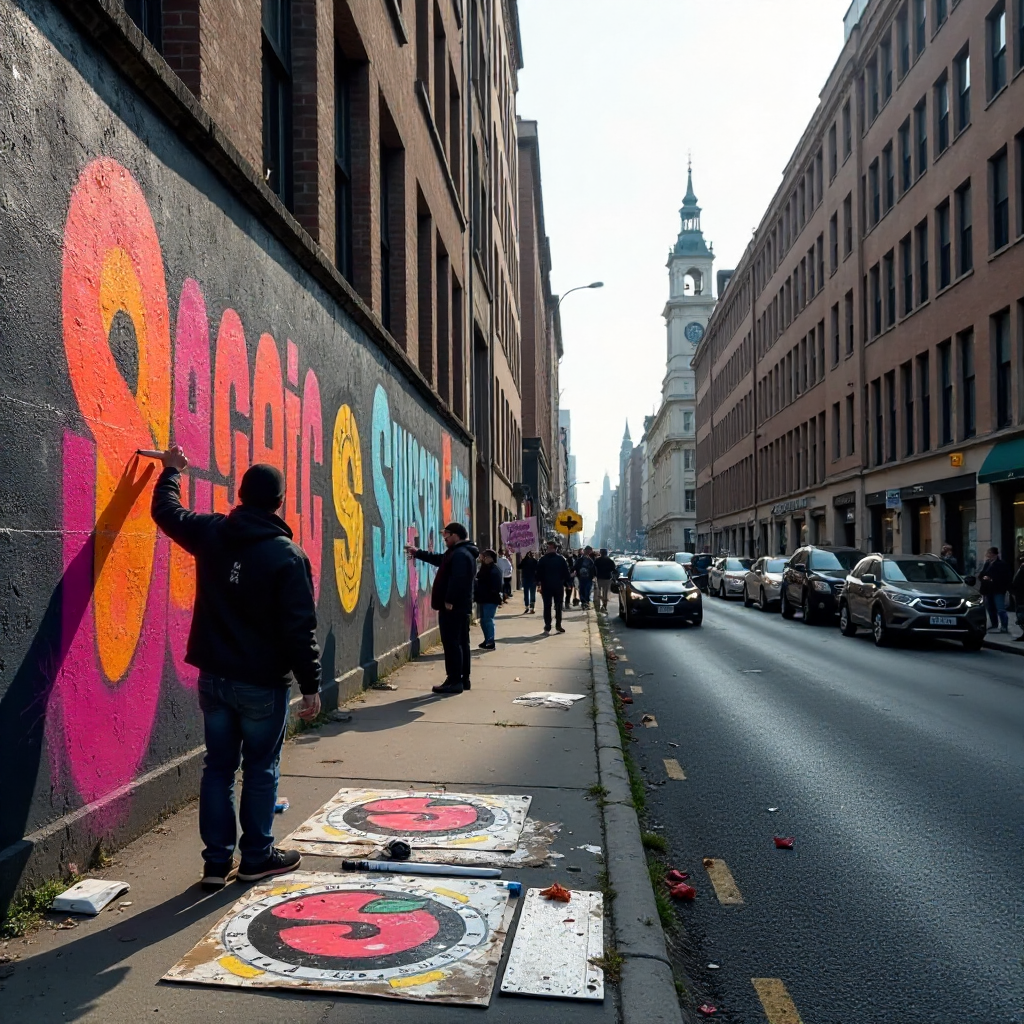
Today, protesters rely on a variety of artistic mediums to voice dissent, each offering distinct advantages for engagement and impact. Graffiti and street art have become prominent visual languages—turning urban spaces into canvases for bold messages and symbolism. These forms are accessible and difficult to suppress, allowing rapid communication of political critique.
Music and protest songs remain powerful to evoke emotional unity and mobilize crowds. Songs like Pussy Riot's punk performances in Russia or hip-hop’s role in American social justice movements amplify marginalized voices with urgency and creativity.
Performance art transforms public spaces into sites of critique—using embodiment and spectacle to provoke thought. Examples include silent flash mobs, theatrical reenactments, or public readings of censored texts, all designed to bypass conventional communication channels and grab attention.
Together, these artistic forms create a multi-sensory experience within political movements, engaging wider public audiences beyond slogans or speeches alone.
The Power and Risks of Art under Censorship
Authoritarian regimes often view political art as a serious threat because it challenges official narratives and galvanizes dissent. Consequently, censorship and repression of politically charged art are common tactics. Governments may destroy murals, imprison artists, or block access to protest music and performances.
Despite these risks, the power of art lies partly in its subtlety and adaptability. Artists frequently employ metaphor, allegory, and coded imagery to evade censorship while sustaining critical dialogue. Yet this protective creativity can come at great personal cost, including harassment, imprisonment, or exile.
This fraught context underscores the courage embedded in political dissent through art, highlighting both its power to resist oppression and the vulnerability of those who wield cultural expression as a form of protest.
Art as a Tool for Solidarity and Collective Identity
Art fosters solidarity by creating shared symbols, rituals, and stories that bind dissenting groups together. Collective chants, distinctive visual icons, or unifying music etch political cause into public consciousness and emotional memory.
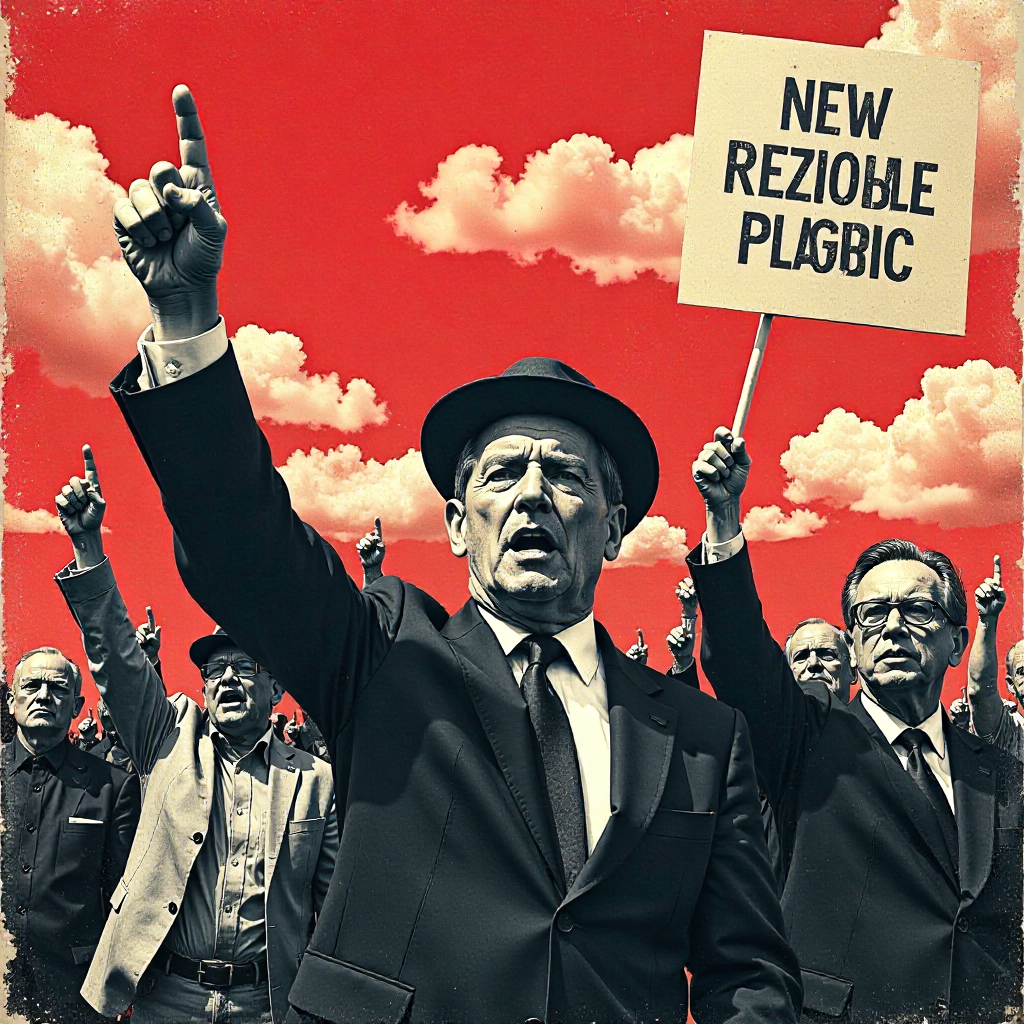
Cultural expressions communicate identity beyond language borders, enabling diverse groups to rally behind common values. For instance, the raised fist image became a universal emblem of resistance, used across multiple struggles from civil rights to labor movements.
By integrating local traditions with innovative expression, art creates a sense of belonging and emotional investment that critical political messaging alone often misses. This collectivizing effect builds resilience within movements, encouraging sustained activism even under repression.
The Impact of Digital Media on Political Art
Digital media has vastly expanded the reach and influence of protest art, enabling rapid dissemination across global networks. Social platforms allow political artists to bypass traditional gatekeepers and reach international audiences instantly.
This technology multiplies the potential impact of cultural resistance as images, videos, and music travel far beyond local protests, inspiring solidarity worldwide. Digital archives also preserve dissenting artworks vulnerable to local censorship or destruction.
Yet, the reliance on digital platforms introduces new challenges: algorithms can suppress political content, governments can surveil activists, and viral trends risk diluting complex messages. Therefore, while digital culture transforms political art, it requires strategic navigation to maintain authenticity and effectiveness.
Conclusion: The Enduring Influence of Art in Political Dissent
Art and culture remain indispensable elements of political dissent, uniquely capable of expressing complex grievances, inspiring solidarity, and challenging power. From historical protest songs and murals to modern graffiti and digital activism, artistic expressions shape political movements’ identity and impact.
Despite risks of censorship and repression, artists persist in using creativity as a form of resistance, proving that cultural production can sustain political struggles when conventional channels fail. As digital tools evolve, the role of art in dissent will continue adapting, offering new possibilities to engage, mobilize, and transform societies.
Frequently Asked Questions
How does protest art influence public opinion?
Protest art influences public opinion by making political issues emotionally accessible and visually striking, helping people understand complex causes quickly and empathetically. It can humanize struggles, provoke empathy, and shift perceptions through symbolism and creative storytelling.
What are famous examples of art changing political outcomes?
Key examples include the anti-apartheid protest music that galvanized global support, Diego Rivera’s murals shaping public discourse on inequality, and recent graffiti in Hong Kong’s pro-democracy protests that maintained momentum amid repression.
Can art be a form of peaceful political resistance?
Yes, art often serves as nonviolent resistance by providing alternative ways to confront oppression, communicate dissent, and unite people without physical confrontation, making it a vital strategy in civil disobedience and social movements.
How do governments typically react to dissenting art?
Governments often attempt to suppress dissenting art through censorship, harassment, imprisonment of artists, or destruction of artworks. Authoritarian regimes especially view political art as subversive and take severe actions to limit its influence.
How does digital culture transform political art?
Digital culture amplifies political art by facilitating quick, widespread sharing across borders and communities, enabling decentralized activism. It also challenges artists to adapt to new formats while navigating risks like surveillance and online censorship.